
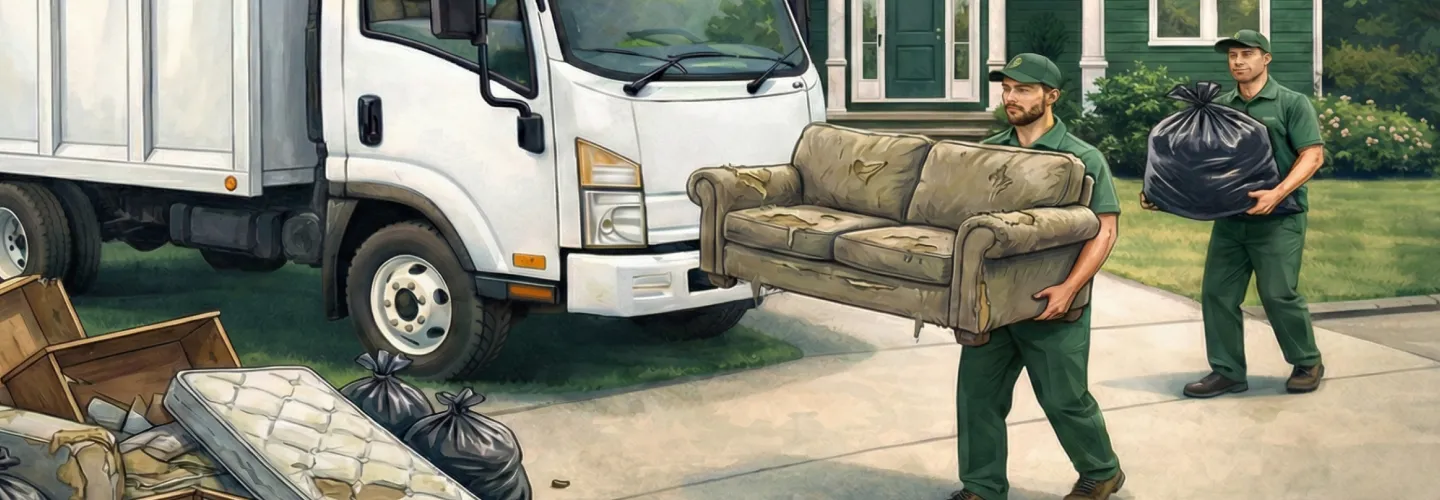
Suwanee Hoarding Cleanup Services
Choose our Hoarding Cleanup services for a respectful, judgment-free approach that restores safety, comfort, and peace of mind to your home—handled by experienced professionals who truly care.
Get a Free QuoteOur Suwanee Junk Removal Services
Hoarding Cleanup in Suwanee, GA – Local Service Guide
Hoarding cleanup in Suwanee, GA requires a sensitive, thorough approach tailored to local needs. Whether you’re in Olde Atlanta Club, Suwanee Station, or near Town Center Park, clutter can accumulate due to life transitions, seasonal changes, or property turnover. For residential items like furniture, mattresses, or appliances, cleanouts often follow renovations, estate transitions, or spring cleaning. Local donation centers and recycling programs offer eco-friendly disposal, while larger items may require special pickup or coordination with city services. Garages, basements, and attics in Suwanee homes often need attention after storms or during annual yard waste cycles, especially in flood-prone or tree-heavy neighborhoods. Commercial properties in Suwanee’s business corridors—such as medical offices or retail spaces—face unique challenges, including discreet scheduling and compliance with operational hours. Specialty cleanups, like estate or foreclosure situations, demand careful planning and coordination with property managers and city guidelines. For more on local disposal rules and resources, visit the Suwanee Public Works Department.
Key Considerations for Hoarding Cleanup in Suwanee
- Timing cleanouts around local weather and seasonal events
- Securing necessary permits for large-scale removals
- Using approved disposal and recycling channels
- Ensuring property access for trucks and crews
- Managing high volumes and category-specific items
- Coordinating with city services and neighborhood associations
Benefits of Hoarding Cleanup in Suwanee
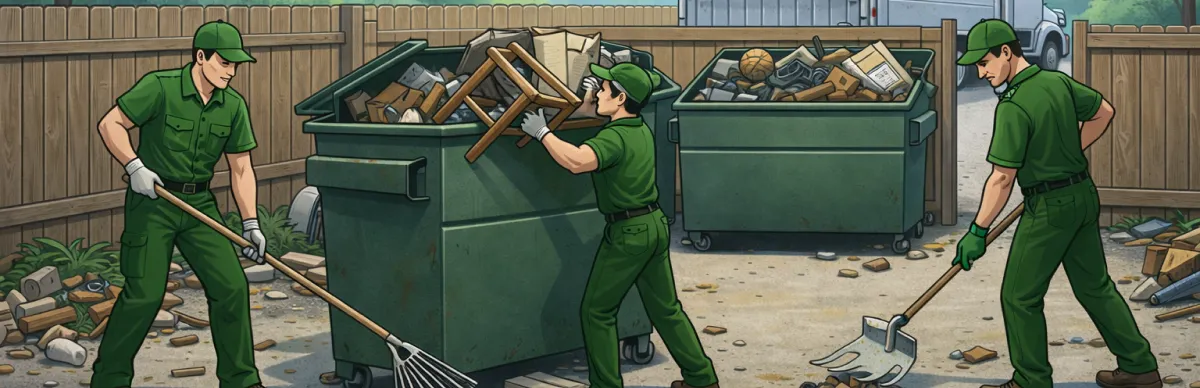
Professional and Compassionate Team
Discreet and Confidential Service
Thorough Property Restoration
Fast Response Times
Safe Removal of Hazardous Materials
Customized Cleanup Solutions
Coordinating Hoarding Cleanup with Suwanee Code Enforcement and Property Standards
Hoarding situations in Suwanee frequently involve violations of municipal property maintenance codes, making coordination with local code enforcement essential before cleanup begins. The City of Suwanee enforces standards related to exterior property conditions, structural safety, and sanitation that hoarding conditions may compromise. Residents and cleanup professionals should be aware of the following compliance considerations:
- Property maintenance violations may include obstructed egress points, pest infestations, and accumulated debris visible from public rights-of-way
- Code enforcement investigations can be initiated by neighbor complaints or routine inspections conducted by city staff
- Violation notices typically require corrective action within a specified timeframe, and failure to comply may result in municipal citations
- Building permits may be required if structural damage from hoarding necessitates renovation or demolition work
- Inspection clearance should be obtained after cleanup to confirm the property meets Suwanee's standards
Suwanee Code Enforcement
340 Town Center Avenue, Suwanee, GA 30024
Phone: (770) 945-8996
Official Website: Suwanee Code Enforcement
Hazardous Material Identification and Disposal During Suwanee Hoarding Cleanouts
Hoarding environments in Suwanee commonly contain hazardous materials that require specialized handling under both Georgia and federal regulations. Accumulated household chemicals, expired medications, batteries, paint, and cleaning solvents must be separated from general waste and disposed of through approved channels. The Georgia Environmental Protection Division oversees solid waste management regulations statewide, including requirements for hazardous material handling. Key hazardous material considerations include:
- Household chemicals and solvents are prohibited from regular curbside collection and must be taken to Gwinnett County's designated Household Hazardous Waste collection events
- Lead paint debris in pre-1978 homes requires lead-safe work practices under the EPA Renovation, Repair, and Painting Rule
- Expired medications should not be placed in trash or flushed; DEA-authorized collection sites and pharmacy takeback programs are available in the Suwanee area
- Batteries, fluorescent bulbs, and electronics must be recycled separately and are banned from standard landfill disposal in many jurisdictions
- Biohazardous materials such as animal waste, bodily fluids, or medical sharps require licensed biohazard remediation contractors
Cleanup crews should conduct a thorough walkthrough assessment before beginning removal to identify and segregate all hazardous items.
Gwinnett County Solid Waste Disposal Options for Suwanee Hoarding Projects
Suwanee is located within Gwinnett County, and residents rely on county-level solid waste infrastructure for disposal of materials generated during hoarding cleanups. Gwinnett County operates solid waste programs that serve Suwanee residents, and understanding available disposal pathways is critical for compliant material removal. Important disposal resources include:
- Gwinnett County solid waste services coordinate residential trash collection through contracted haulers; hoarding cleanup volumes typically exceed standard residential pickup limits
- Bulk item collection may be available through the resident's contracted waste hauler, but advance scheduling and item limits apply
- Commercial hauler licensing is required for any cleanup company transporting waste within Gwinnett County; verify that contractors hold valid permits
- Recyclable materials including metals, cardboard, paper, and plastics should be separated and taken to designated recycling drop-off locations
- Appliances containing refrigerants (refrigerators, air conditioners, dehumidifiers) require certified refrigerant recovery per EPA Section 608 regulations before disposal
Suwanee Public Works Department
340 Town Center Avenue, Suwanee, GA 30024
Phone: (770) 945-8996
Official Website: Suwanee Public Works Department
Residents should contact their waste hauler directly to confirm volume limitations and any additional fees for large-scale cleanout projects.
Biohazard Safety and OSHA Compliance for Hoarding Cleanup in Suwanee
Hoarding cleanup in Suwanee presents significant occupational safety hazards that require adherence to OSHA standards and professional safety protocols. Accumulated materials in hoarding environments may include mold, animal waste, decomposing food, pest infestations, and structural instability. Cleanup workers and property owners should observe the following safety requirements:
- Personal protective equipment (PPE) including N95 respirators, chemical-resistant gloves, eye protection, and disposable coveralls is essential for all personnel entering hoarding environments
- Bloodborne pathogen standards under OSHA 29 CFR 1910.1030 apply when biological waste such as needles, bodily fluids, or animal remains are present
- Structural assessment should be performed before cleanup begins, as excessive weight from hoarded materials may compromise floors, staircases, and load-bearing walls
- Mold remediation may be necessary in properties with moisture damage; Georgia does not currently require state licensing for mold remediation, but EPA guidelines should be followed
- Pest control coordination with a licensed exterminator is recommended before and during cleanup to address rodent or insect infestations safely
Suwanee Building Permits & Inspections
340 Town Center Avenue, Suwanee, GA 30024
Phone: (770) 945-8996
Official Website: Suwanee Building Permits & Inspections
If structural repairs are needed following cleanup, building permits must be obtained through the City of Suwanee before renovation work begins.
Recycling, Donation, and Material Recovery During Suwanee Hoarding Cleanups
Hoarding cleanups in Suwanee generate substantial volumes of material, much of which can be diverted from landfills through recycling and donation programs. The Georgia Environmental Protection Division's solid waste program encourages waste diversion, and responsible sorting during cleanup supports environmental compliance. Material recovery strategies include:
- Clothing and textiles in usable condition can be donated to local charitable organizations; items not suitable for reuse may be accepted by textile recycling programs
- Furniture and household goods that remain functional can be directed to donation centers such as Habitat for Humanity ReStore locations in the greater Gwinnett County area
- Scrap metal including appliance frames, shelving, and hardware can be taken to licensed scrap metal recyclers for material recovery
- Paper, cardboard, and plastics should be separated and placed in appropriate recycling streams; contaminated materials (food-soiled, mold-damaged) may not be accepted
- Electronics including televisions, computers, and small appliances should be recycled through certified e-waste recyclers rather than placed in general waste
Proper sorting at the cleanup site reduces disposal costs and ensures compliance with Suwanee's stormwater management requirements by preventing debris from entering storm drains during removal.
What Neighborhoods Do We Serve Throughout Suwanee, GA?
- Suwanee Town Center: Mixed-use area with townhomes and condominiums near shops and restaurants. Hoarding cleanup logistics may require coordination with property management for shared-access buildings and adherence to noise ordinances during business hours.
- Shadowbrook: Established single-family residential community with mature tree canopy and cul-de-sac streets. Older homes built in the 1990s may present narrow hallway access challenges and potential lead paint considerations in original construction.
- Olde Suwanee: Features larger-lot properties with extended driveways. Rural-suburban character allows easier truck access, though unpaved shoulders and septic systems require careful equipment positioning during cleanup operations.
- Suwanee Station: Newer planned community with HOA-governed property standards. Hoarding situations may trigger HOA violation notices in addition to municipal code enforcement, requiring coordination with both governing bodies.
- River Ridge: Subdivision with proximity to the Chattahoochee River corridor. Environmental sensitivity of nearby waterways demands careful debris containment to prevent runoff contamination during large-scale cleanouts.
- McGinnis Ferry Road Corridor: Commercial and residential mix along a major thoroughfare. High-traffic conditions may necessitate off-peak scheduling for removal vehicles, and commercial properties require verification of business waste hauler licensing.