
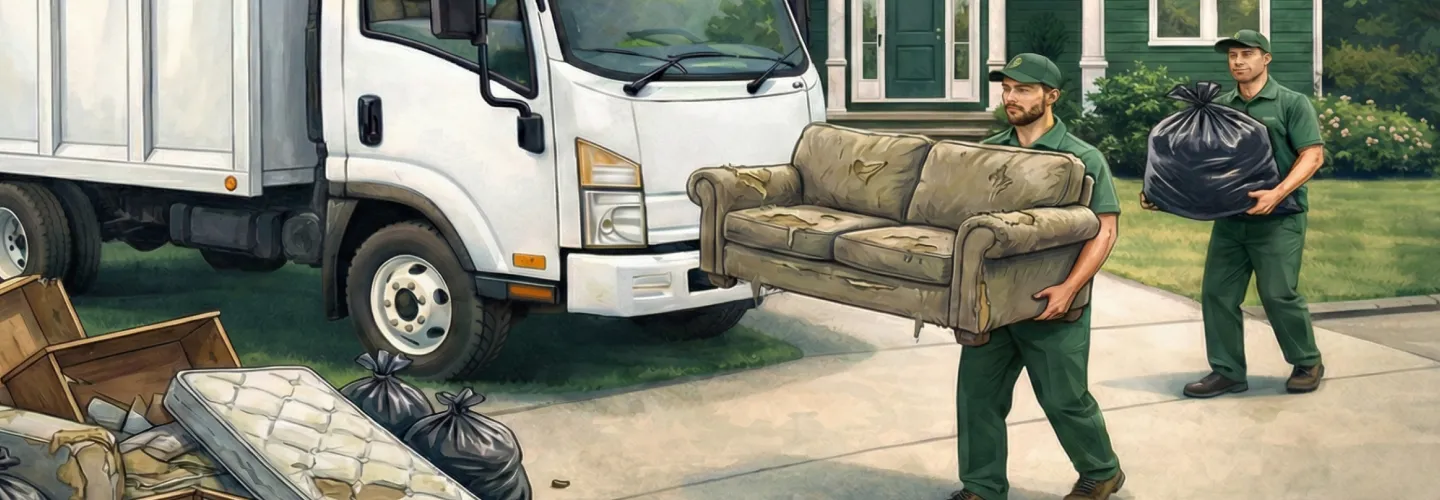
Suwanee Construction Debris Removal Services
Choose our Construction Debris Removal for hassle-free, eco-friendly disposal and a spotless job site—saving you time, money, and stress on every build.
Get a Free QuoteOur Suwanee Junk Removal Services
Construction Debris Removal in Suwanee, GA – Local Service Guide
Construction debris removal in Suwanee, GA is essential for keeping homes and businesses safe, clean, and compliant with local regulations. Whether you’re renovating a home in the Old Town district, clearing out a basement in the Shadowbrook neighborhood, or managing a commercial build near Suwanee Town Center, timely debris removal ensures projects stay on track and properties remain accessible. For residential items like appliances or hot tubs, removal often follows upgrades, storm damage, or seasonal cleanouts. Suwanee’s varied weather and neighborhood layouts can impact access and scheduling, especially for larger items or properties with limited driveway space. Commercial projects—such as restaurant remodels or office renovations—require discreet, efficient debris handling to minimize business disruption and meet operational timelines. Specialty services, including dumpster rentals or estate cleanouts, are often needed for larger-scale projects or urgent situations, requiring careful coordination and adherence to city guidelines. For details on local disposal rules and resources, visit the Suwanee Public Works Department.
Key Considerations for Construction Debris Removal in Suwanee
- Confirm timing to avoid peak weather or event conflicts
- Check if permits are needed for dumpsters or large hauls
- Use approved disposal and recycling channels
- Assess property access for trucks and equipment
- Estimate debris volume for proper service selection
- Coordinate with city schedules and neighborhood guidelines
Benefits of Construction Debris Removal in Suwanee
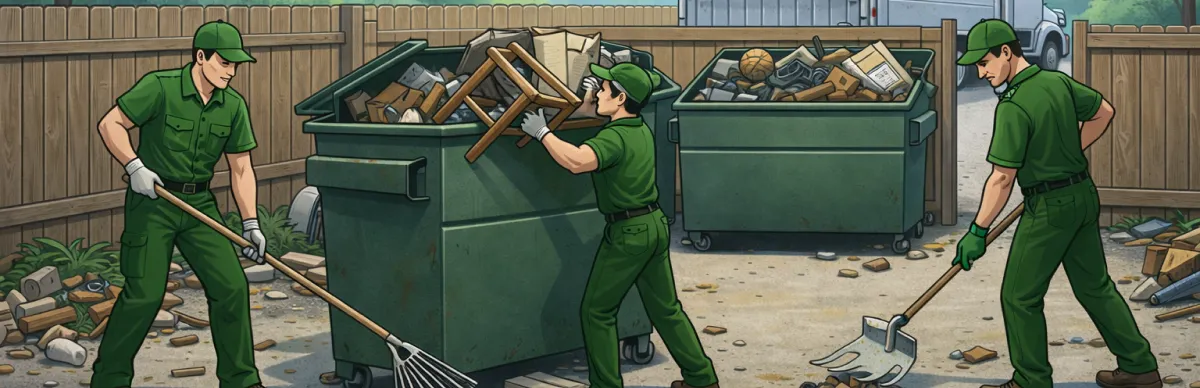
Fast and Reliable Cleanup
Improved Site Safety
Eco-Friendly Disposal Solutions
Compliance With Local Regulations
Cost-Effective Debris Removal
Flexible Scheduling Options
Coordinating Construction Debris Removal with Suwanee's Building Permits and Inspections Division
Construction and demolition projects in Suwanee generate significant volumes of debris requiring proper disposal coordination with municipal authorities. Before initiating any renovation or demolition work, property owners must obtain appropriate permits through the city's building permits and inspections process. The Suwanee Building Permits & Inspections division oversees plan review, code compliance, and construction oversight for both residential and commercial projects. Key requirements for construction debris removal include:
- Building permits must be secured prior to any demolition or major renovation generating debris
- Debris containment on the project site is required to prevent materials from entering streets or neighboring properties
- Scheduled inspections may be necessary before and after debris removal to verify code compliance
- Pre-1978 structures require assessment for lead paint and asbestos before demolition begins, per the EPA Renovation, Repair, and Painting Rule
Suwanee Building Permits & Inspections
340 Town Center Avenue, Suwanee, GA 30024
Phone: (770) 945-8996
Official Website: Suwanee Building Permits & Inspections
Failure to obtain proper permits before generating construction debris may result in code enforcement action and project delays.
Georgia's Solid Waste Management Act and Construction Debris Disposal Requirements
Georgia regulates construction and demolition waste under the Georgia Comprehensive Solid Waste Management Act (O.C.G.A. § 12-8-20 et seq.), administered by the Georgia Environmental Protection Division. This legislation establishes disposal standards, facility permitting requirements, and enforcement mechanisms for all solid waste categories, including construction and demolition debris. Suwanee residents and contractors must comply with both state and local regulations when disposing of construction materials. Important state-level requirements include:
- Construction and demolition (C&D) debris is classified separately from municipal solid waste and must be disposed of at permitted C&D landfills or recycling facilities
- Inert waste such as concrete, brick, and uncontaminated soil may qualify for disposal at inert waste landfills, which have different permitting requirements
- Hazardous materials including asbestos, lead-based paint waste, and chemical solvents are prohibited from C&D landfills and must be handled through licensed hazardous waste disposal channels
- Illegal dumping of construction debris carries penalties including fines and potential criminal charges under Georgia law
- Gwinnett County operates solid waste facilities accessible to Suwanee residents for proper C&D debris disposal
Georgia Environmental Protection Division
2 Martin Luther King Jr. Drive SE, Suite 1456, Atlanta, GA 30334
Phone: (404) 656-4713
Official Website: Georgia Environmental Protection Division
Material Sorting and Separation Requirements for Suwanee Construction Projects
Proper sorting and separation of construction debris is essential for regulatory compliance and environmental stewardship in Suwanee. Mixed loads of construction waste often incur higher disposal fees at permitted facilities, and certain materials require dedicated recycling or disposal streams. The Suwanee Public Works Department coordinates with Gwinnett County facilities to support proper material management. Construction debris should be separated into the following categories:
- Clean wood (untreated lumber, plywood, framing) — eligible for recycling or biomass processing at designated facilities
- Concrete, brick, and masonry — accepted at inert waste facilities and often recycled as aggregate for road base or fill material
- Metals (rebar, copper piping, steel framing, aluminum) — recyclable through scrap metal facilities; separation increases material recovery value
- Roofing materials (asphalt shingles) — some facilities accept shingles for recycling into road paving material
- Drywall and gypsum board — must be separated due to hydrogen sulfide generation concerns in landfills; dedicated recycling programs exist in the metro Atlanta area
- Mixed C&D debris — unsorted loads are accepted at permitted C&D landfills but typically at higher per-ton disposal rates
Contractors should maintain separate containers on-site for each material stream to maximize diversion and minimize disposal costs.
Suwanee Stormwater Compliance and Pollution Prevention During Debris Removal
Construction debris removal activities in Suwanee must comply with the city's stormwater management regulations to prevent sediment, pollutants, and construction materials from entering the municipal storm drain system. The Suwanee Stormwater Management program enforces erosion and sediment control measures on all construction sites. Violations can result in stop-work orders and fines. Required pollution prevention measures during construction debris removal include:
- Silt fencing and erosion controls must remain in place during debris removal operations until final stabilization is achieved
- Debris staging areas should be located away from storm drains, creeks, and drainage channels to prevent material migration
- Dust suppression measures such as water application are required when handling dry materials like concrete, drywall, or soil
- Washout areas for concrete trucks and equipment must be contained and cannot discharge into stormwater systems
- Spill prevention protocols are required for any equipment fueling or fluid handling on the project site
Suwanee Stormwater Management
340 Town Center Avenue, Suwanee, GA 30024
Phone: (770) 945-8996
Official Website: Suwanee Stormwater Management
Property owners are ultimately responsible for ensuring contractors maintain proper stormwater controls throughout the debris removal process.
Suwanee Code Enforcement Standards for Construction Site Debris Management
The Suwanee Code Enforcement division monitors construction sites for compliance with property maintenance standards, including proper debris containment and timely removal. Construction debris left unmanaged on residential or commercial properties can trigger code violations and neighborhood complaints. Key code enforcement considerations for construction debris in Suwanee include:
- Debris containment — all construction waste must be stored within the property boundaries and not allowed to accumulate on sidewalks, streets, or rights-of-way
- Timely removal — debris must be removed from the site at regular intervals; prolonged accumulation may trigger violation notices
- Covered loads — all vehicles transporting construction debris on Suwanee streets must have loads properly secured and covered to prevent material from falling onto roadways
- Noise ordinances — debris removal activities involving heavy equipment or loud machinery must comply with local noise regulations regarding permitted operating hours
- Right-of-way clearance — temporary placement of debris containers or materials in the public right-of-way requires coordination with the Suwanee Public Works Department
Suwanee Code Enforcement
340 Town Center Avenue, Suwanee, GA 30024
Phone: (770) 945-8996
Official Website: Suwanee Code Enforcement
What Neighborhoods Do We Serve Throughout Suwanee, GA?
- Suwanee Town Center: Mixed-use development with commercial and residential properties near Town Center Park. Construction debris removal requires coordination with pedestrian traffic patterns and limited staging areas along Town Center Avenue.
- Shadowbrook: Established single-family residential community with mature tree canopy and standard suburban driveways. Renovation projects in older homes may require assessment for lead paint or asbestos-containing materials before debris removal.
- Olde Atlanta Club: Golf course community with HOA oversight requiring advance approval for construction activities and debris staging. Gated access and winding interior roads may necessitate smaller transport vehicles for debris hauling.
- McGinnis Ferry Road Corridor: Rapidly developing commercial and residential corridor with active construction sites. High traffic volumes require careful scheduling of debris removal to minimize congestion during peak hours.
- Suwanee Station: Neighborhood featuring a mix of townhomes and single-family residences near the Suwanee Creek Greenway. Proximity to protected waterways requires strict stormwater compliance during any construction debris operations.
- River Ridge: Residential subdivision with varied lot sizes and topography. Sloped properties may present access challenges for heavy equipment used in construction debris removal, requiring site-specific logistics planning.