
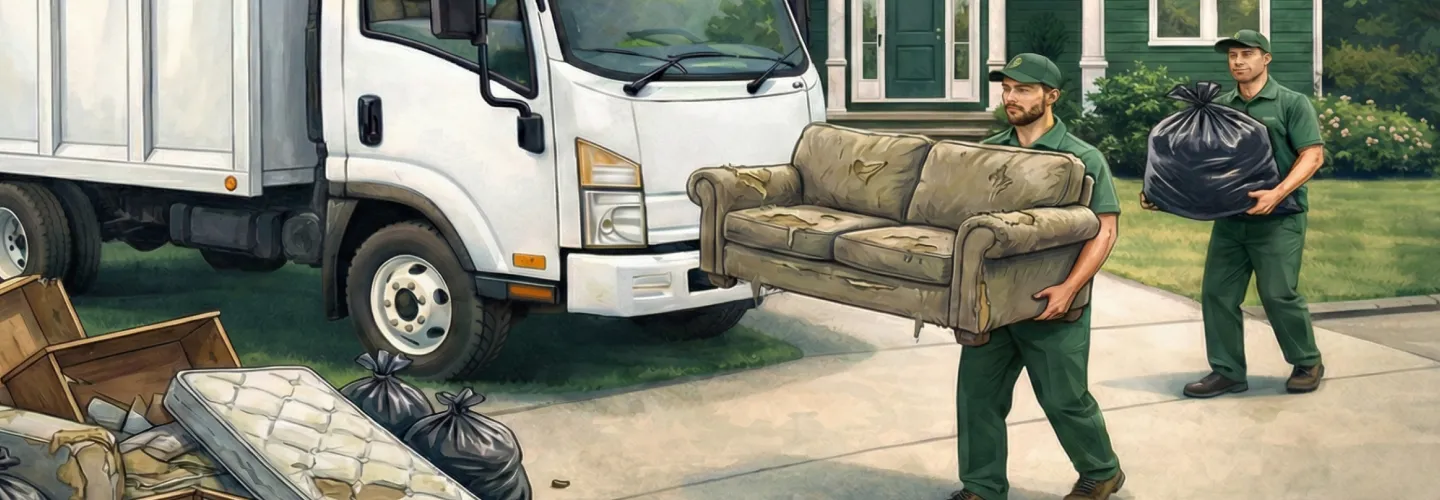
Suwanee Electronics Recycling Services
Choose our electronics recycling services for secure, eco-friendly disposal that protects your data and the environment—making it easy and safe to clear out your old devices.
Get a Free QuoteOur Suwanee Junk Removal Services
Electronics Recycling in Suwanee, GA – Local Service Guide
Electronics recycling in Suwanee, GA is essential for keeping neighborhoods like Olde Atlanta Club and Suwanee Station clean and environmentally responsible. Residents often need to recycle electronics during spring cleanouts, home upgrades, or when replacing outdated devices. Local options include scheduled pickups, drop-off events, and specialized recycling centers. For residential items, timing often aligns with school breaks or major holidays, while weather and driveway access can affect logistics. In areas like Riverbrooke, larger items may require advance coordination due to narrow streets or HOA rules.
Commercial properties in Suwanee’s Town Center and Peachtree Industrial corridor face unique needs, such as secure data disposal and after-hours pickups to minimize business disruption. Specialty projects—like estate cleanouts or construction debris removal—demand careful planning and may require permits or coordination with city services. For all electronics recycling, it’s important to follow local guidelines and use approved disposal channels. For more on local rules and resources, visit the Suwanee Public Works Department.
Key Considerations for Electronics Recycling in Suwanee
- Schedule pickups around seasonal cleanouts or major life events
- Check if permits are needed for bulk or specialty items
- Use city-approved recycling and disposal channels
- Plan for access challenges in neighborhoods with limited parking or narrow streets
- Coordinate with HOAs or property managers for large-scale or commercial pickups
- Separate electronics by type to streamline recycling and ensure compliance
Benefits of Electronics Recycling in Suwanee
Eco-Friendly Disposal Solutions
Secure Data Destruction
Compliance With Local Regulations
Convenient Pickup Services
Certified Recycling Processes
Support for a Greener Community
Coordinating Electronics Recycling with Suwanee's Public Works and Gwinnett County Programs
Suwanee residents seeking to recycle electronics must coordinate with both city and county resources, as Suwanee falls within Gwinnett County's solid waste management jurisdiction. The city's Public Works Department oversees infrastructure and rights-of-way but does not operate a dedicated e-waste collection facility. Gwinnett County provides periodic household hazardous waste and electronics collection events throughout the year, typically held at designated county facilities. Residents should verify event dates, accepted items, and volume limits before transporting materials.
- Accepted e-waste items typically include computers, monitors, televisions, printers, and peripherals
- Preparation requirements: remove all personal data from hard drives and storage devices before drop-off
- Volume limits: residential quantities only; commercial loads may be refused at county events
- Identification: valid Gwinnett County resident ID or utility bill may be required for access
Suwanee Public Works Department
330 Town Center Avenue, Suwanee, GA 30024
Phone: (770) 945-8996
Official Website: Suwanee Public Works Department
Residents unable to attend scheduled collection events should contact Gwinnett County Solid Waste Management directly for alternative drop-off locations and certified e-waste recycling vendors operating within the county.
Georgia's Environmental Regulations Governing Electronic Waste Disposal and Recovery
Georgia regulates solid waste disposal through the Georgia Comprehensive Solid Waste Management Act (O.C.G.A. § 12-8-20), administered by the Georgia Environmental Protection Division (GA EPD). While Georgia does not currently enforce a statewide landfill ban on electronics, the state encourages diversion of e-waste from municipal solid waste streams through voluntary recycling programs and county-level initiatives. Improper disposal of electronics containing hazardous components—such as lead, mercury, cadmium, and lithium batteries—may trigger enforcement under state hazardous waste regulations.
- Cathode ray tube (CRT) monitors contain lead and must be handled as hazardous material if broken or crushed
- Lithium-ion batteries pose fire risks in waste collection vehicles and landfills; separate disposal is required
- Mercury-containing devices (flat-panel displays, thermostats) require special handling under Georgia hazardous waste rules
- Circuit boards contain recoverable precious metals and should be directed to certified recyclers
- Refrigerant-containing electronics (mini-fridges, dehumidifiers) require EPA Section 608 compliant refrigerant recovery before recycling
Suwanee residents and businesses should ensure all electronics are directed to certified recycling facilities that comply with GA EPD solid waste permitting requirements.
Data Security and Hard Drive Destruction Requirements for Suwanee Residents
Proper electronics recycling extends beyond environmental compliance to include data security obligations. Before recycling computers, laptops, tablets, smartphones, and external storage devices, Suwanee residents and businesses must ensure all personally identifiable information and sensitive data are permanently destroyed. Federal regulations, including the Resource Conservation and Recovery Act (RCRA), address hazardous material handling, while data protection falls under separate privacy frameworks that affect how electronics are processed.
- Hard drive wiping: use Department of Defense-standard data erasure software (DoD 5220.22-M) or equivalent before surrendering devices
- Physical destruction: hard drives and solid-state drives can be physically shredded by certified e-waste processors; request a certificate of destruction
- Business obligations: companies disposing of electronics containing customer data must comply with applicable privacy laws and maintain destruction records
- Mobile devices: perform factory resets and remove SIM cards and SD cards before recycling smartphones and tablets
- Medical and financial equipment: devices from healthcare or financial institutions may require HIPAA or PCI-DSS compliant destruction protocols
Suwanee Code Enforcement
330 Town Center Avenue, Suwanee, GA 30024
Phone: (770) 945-8996
Official Website: Suwanee Code Enforcement
Businesses operating within Suwanee should verify that their e-waste recycling vendor provides documented chain-of-custody tracking and certified data destruction services.
Stormwater Protection and Pollution Prevention During Electronics Collection in Suwanee
Electronics recycling activities in Suwanee must account for the city's stormwater management regulations, which protect local waterways and comply with federal Clean Water Act requirements. Broken or damaged electronics can release hazardous substances—including lead solder, mercury, brominated flame retardants, and battery acid—that contaminate stormwater runoff if improperly stored or transported outdoors.
- Outdoor staging: do not leave electronics exposed to rain or standing water; broken CRTs and cracked screens can leach lead and mercury into soil and storm drains
- Battery containment: remove and separately contain all batteries before staging electronics for pickup; leaking batteries produce corrosive acid
- Transport requirements: secure all e-waste in enclosed vehicles or covered containers to prevent debris from entering roadways and drainage systems
- Spill response: if battery acid or mercury is released during handling, contain the spill immediately and contact Gwinnett County environmental services
- Commercial operations: businesses staging large volumes of e-waste for recycling must comply with Suwanee's stormwater pollution prevention requirements
Suwanee Stormwater Management
330 Town Center Avenue, Suwanee, GA 30024
Phone: (770) 945-8996
Official Website: Suwanee Stormwater Management
Proper containment during electronics collection protects Suwanee's watersheds and ensures compliance with municipal stormwater ordinances.
What Neighborhoods Do We Serve Throughout Suwanee, GA?
- Suwanee Town Center: Mixed-use district with residential condominiums and commercial offices generating frequent electronics turnover. Coordinated building access and loading zone scheduling may be required for multi-unit collections near Town Center Park.
- Shadowbrook: Established single-family neighborhood with wide residential streets and driveway access suitable for curbside electronics pickup. Homes built in the early 2000s commonly yield outdated desktop computers, CRT televisions, and home office equipment.
- Suwanee Station: Newer townhome and single-family community where garage cleanouts often produce consumer electronics, gaming systems, and networking equipment. HOA guidelines may govern curbside staging of materials for pickup.
- George Pierce Park Area: Residential subdivisions surrounding the park with a mix of family homes generating typical household e-waste including printers, monitors, and small appliances with electronic components.
- McGinnis Ferry Road Corridor: Commercial and retail corridor where businesses produce higher volumes of point-of-sale equipment, commercial-grade electronics, and IT infrastructure requiring certified data destruction and bulk recycling coordination.
- Olde Atlanta Club: Upscale residential community with larger homes and home offices. Estate cleanouts and technology upgrades frequently yield significant quantities of electronics requiring organized collection and proper recycling documentation.
Suwanee Economic & Community Development
330 Town Center Avenue, Suwanee, GA 30024
Phone: (770) 945-8996
Official Website: Suwanee Economic & Community Development