
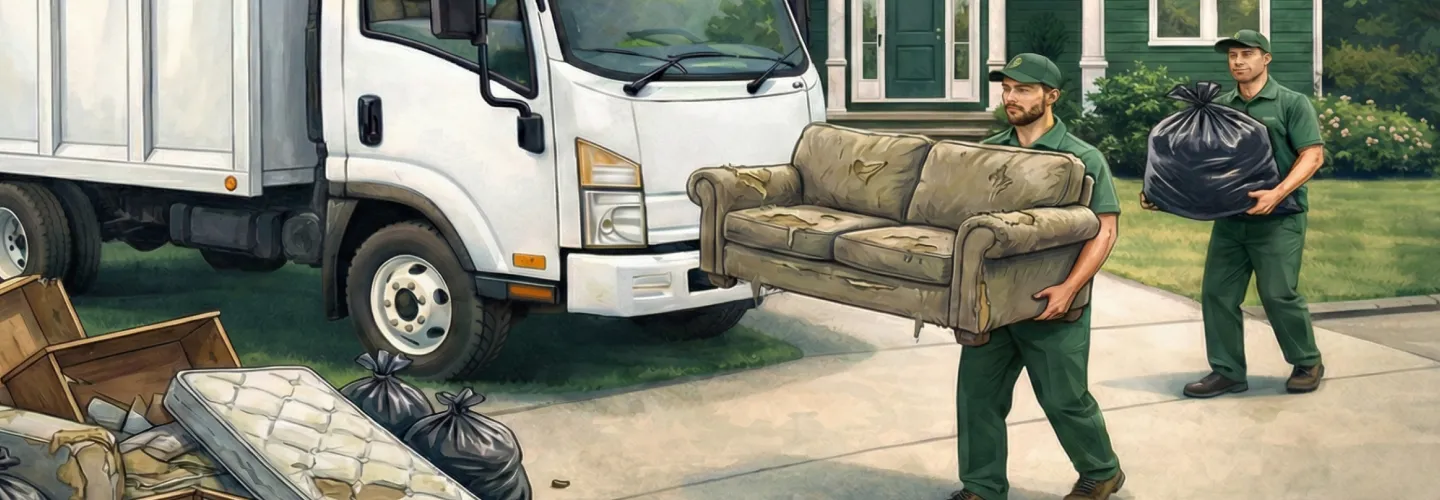
Suwanee Restaurants Junk Removal Services
Choose our Restaurants Junk Removal for fast, reliable, and discreet service that keeps your dining space spotless and compliant—so you can focus on serving your customers, not the clutter.
Get a Free QuoteOur Suwanee Junk Removal Services
Restaurants Junk Removal in Suwanee, GA – Local Service Guide
Restaurants in Suwanee, GA, from Town Center to Peachtree Industrial Boulevard, face unique junk removal needs due to frequent renovations, seasonal menu changes, and strict health codes. Local eateries often require swift removal of kitchen equipment, furniture, and packaging waste, especially after upgrades or during turnover periods. Suwanee’s commercial districts, like Suwanee Gateway, demand discreet, after-hours service to minimize disruption. Proper disposal is crucial—many items can be recycled or donated, but some require special handling per city regulations. Coordinating with local haulers ensures compliance and keeps operations running smoothly. For large volumes or specialty items, planning ahead is key, especially during busy festival seasons or after major events.
Key Considerations for Restaurants Junk Removal in Suwanee
- Timing removals to avoid peak dining hours and local events
- Securing necessary permits and following local disposal guidelines
- Navigating tight downtown access or shared loading zones
- Managing high-volume waste from kitchen upgrades or seasonal cleanouts
- Coordinating with property managers in mixed-use developments
- Handling category-specific items like grease traps, appliances, or bulk seating
Benefits of Restaurants Junk Removal in Suwanee
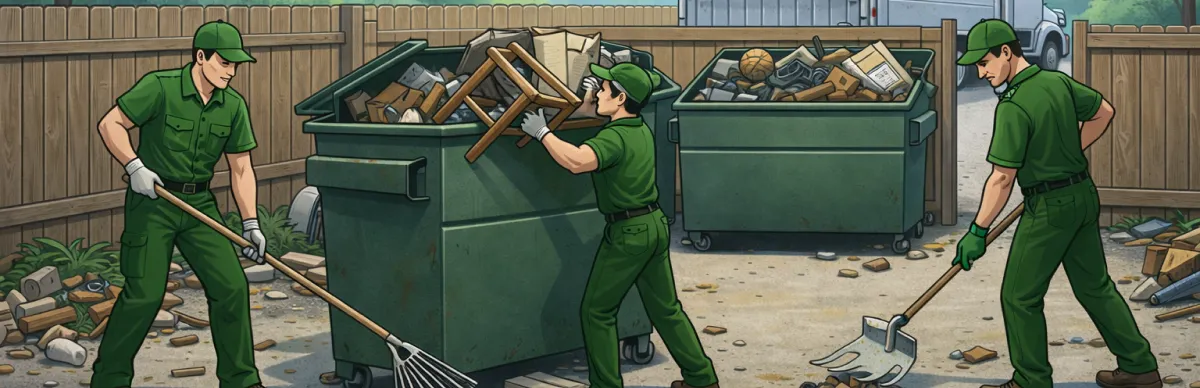
Fast and Reliable Service
Eco-Friendly Disposal Solutions
Experienced Junk Removal Team
Flexible Scheduling Options
Comprehensive Cleanout Services
Competitive Pricing for Restaurants
Coordinating Restaurant Equipment Disposal with Suwanee's Public Works and Code Enforcement Departments
Restaurant junk removal in Suwanee requires coordination with multiple municipal departments to ensure proper disposal of commercial kitchen equipment, furniture, and fixtures. Suwanee operates within Gwinnett County's solid waste framework, meaning restaurant owners must comply with both city and county regulations when removing bulk items from commercial properties. Before scheduling any large-scale removal, restaurant operators should confirm compliance with local property maintenance standards and zoning requirements.
- Commercial waste generated by restaurants—including booths, counters, walk-in cooler components, and exhaust hoods—cannot be placed curbside for residential collection
- Building permits may be required if removal involves structural modifications such as dismantling built-in equipment or hood systems
- Code enforcement inspections may follow major interior changes to verify continued compliance with occupancy and safety standards
- Stormwater protection measures must be observed when staging debris near parking lots or drainage areas to prevent pollutant runoff
Suwanee Public Works Department
340 Town Center Avenue, Suwanee, GA 30024
Phone: (770) 945-8996
Official Website: Suwanee Public Works Department
Suwanee Code Enforcement
340 Town Center Avenue, Suwanee, GA 30024
Phone: (770) 945-8996
Official Website: Suwanee Code Enforcement
Georgia's Solid Waste Management Act and Restaurant Disposal Compliance Requirements
Restaurant junk removal in Suwanee must comply with the Georgia Comprehensive Solid Waste Management Act (O.C.G.A. § 12-8-20) administered by the Georgia Environmental Protection Division (GA EPD). This legislation establishes the regulatory framework for solid waste handling, transportation, and disposal across the state, including commercial waste generated by food service establishments. Restaurant operators bear responsibility for ensuring that all waste haulers transporting materials from their premises hold valid permits issued by GA EPD.
- Commercial solid waste from restaurants must be transported by permitted haulers to authorized disposal facilities
- Grease traps and used cooking oil are classified separately and must be collected by licensed rendering or recycling services—not disposed of in standard waste streams
- Refrigerant-containing equipment such as walk-in coolers, reach-in refrigerators, and ice machines requires certified refrigerant recovery per EPA Section 608 regulations before disposal
- Hazardous materials including cleaning chemicals, pesticides, and fluorescent lighting must be handled through Gwinnett County's Household Hazardous Waste collection program
- Scrap metal from stainless steel prep tables, shelving, and exhaust hoods should be separated for recycling to support landfill diversion goals
Suwanee Building Permits and Inspection Requirements for Restaurant Renovation Debris
When restaurant junk removal accompanies renovation, remodeling, or lease turnover, Suwanee's Building Permits and Inspections division may require permits before work begins. Removing built-in kitchen equipment, demolishing interior walls, or modifying plumbing and electrical connections during a cleanout triggers permit requirements under the city's development services framework. Restaurant owners and their contractors should submit permit applications well in advance of scheduled removal dates to avoid project delays and potential code violations.
- Demolition permits are required when removing load-bearing structures, built-in hood systems, or gas-connected equipment
- Plumbing and electrical disconnections must be performed by licensed professionals and inspected before equipment removal proceeds
- Asbestos surveys should be conducted in buildings constructed before 1980, as floor tiles, pipe insulation, and ceiling materials may contain asbestos requiring licensed abatement per EPA regulations
- Fire suppression system modifications related to hood removal require coordination with Gwinnett County Fire services to maintain code compliance
Suwanee Building Permits & Inspections
340 Town Center Avenue, Suwanee, GA 30024
Phone: (770) 945-8996
Official Website: Suwanee Building Permits & Inspections
Sorting and Recycling Restaurant Materials at Gwinnett County Disposal Facilities
Suwanee restaurant operators removing large volumes of equipment and furnishings should plan for material sorting and separation to maximize recycling and comply with Gwinnett County disposal facility requirements. The county operates solid waste facilities that accept commercial debris, but certain materials require separation before drop-off. Proper sorting reduces disposal costs and supports Georgia's statewide waste reduction objectives.
- Stainless steel and metal equipment (prep tables, shelving units, sinks, exhaust hoods) should be separated for scrap metal recycling; many scrap yards in the Gwinnett County area accept these materials
- Wood furniture and cabinetry such as booths, bar tops, and hostess stands may be accepted at construction and demolition debris recycling facilities
- Electronics and point-of-sale systems including registers, monitors, and computer equipment are subject to responsible e-waste recycling practices; data destruction should be verified before disposal
- Cooking oil and grease must never enter the solid waste stream; licensed grease haulers provide collection services throughout the Suwanee area
- Fluorescent tubes and bulbs contain mercury and are classified as universal waste under Georgia regulations, requiring drop-off at designated hazardous waste collection points rather than standard landfill disposal
Georgia Environmental Protection Division
2 Martin Luther King Jr. Drive SE, Suite 1456, Atlanta, GA 30334
Phone: (404) 656-4713
Official Website: Georgia Environmental Protection Division
Stormwater Protection and Pollution Prevention During Restaurant Junk Removal in Suwanee
Suwanee maintains an active stormwater management program that directly affects how restaurant junk removal projects must be conducted. When staging removed equipment, debris, or waste materials in parking lots or loading areas, operators must take precautions to prevent pollutants from entering the city's storm drain system. Grease, cleaning chemicals, refrigerants, and particulate matter from demolished fixtures can contaminate local waterways if not properly contained during the removal process.
- Grease and oil residue on removed kitchen equipment must be contained; drip pans or absorbent materials should be placed beneath items staged outdoors
- Debris staging areas should be located away from storm drains, catch basins, and drainage swales
- Cleaning chemicals and solvents used during restaurant cleanouts must not be poured into floor drains connected to the stormwater system
- Refrigerant leaks from damaged cooling equipment must be addressed immediately by certified technicians to prevent atmospheric release
- Sweeping and containment of loose debris, broken glass, and packaging materials is required before and after loading operations to prevent material from washing into drainage infrastructure
What Neighborhoods Do We Serve Throughout Suwanee, GA?
- Suwanee Town Center: This mixed-use commercial district features numerous restaurant locations along Town Center Avenue and Lawrenceville-Suwanee Road. Loading zone coordination and off-peak scheduling are often necessary due to pedestrian traffic and shared parking areas near Suwanee Town Center Park.
- Shadowbrook: A residential community with nearby commercial corridors where smaller restaurant establishments operate. Access roads are generally well-maintained, though removal vehicles should confirm clearance for larger equipment pieces.
- Suwanee Station: This planned community includes commercial parcels with restaurant tenants. HOA and property management coordination may be required for removal projects, and staging areas should be confirmed in advance.
- McGinnis Ferry Road Corridor: A major commercial corridor with strip centers and standalone restaurant buildings. High traffic volumes during peak hours necessitate early morning or midday scheduling for removal truck access and loading operations.
- Peachtree Industrial Boulevard Area: Features a concentration of restaurant and retail establishments in commercial plazas. Rear loading dock access is available at many locations, facilitating efficient equipment removal without disrupting front-of-house operations.
- Old Town Suwanee: Older commercial structures near the historic core may present narrower access points and aging infrastructure considerations. Buildings in this area may require asbestos or lead paint assessments before interior demolition or fixture removal begins.