
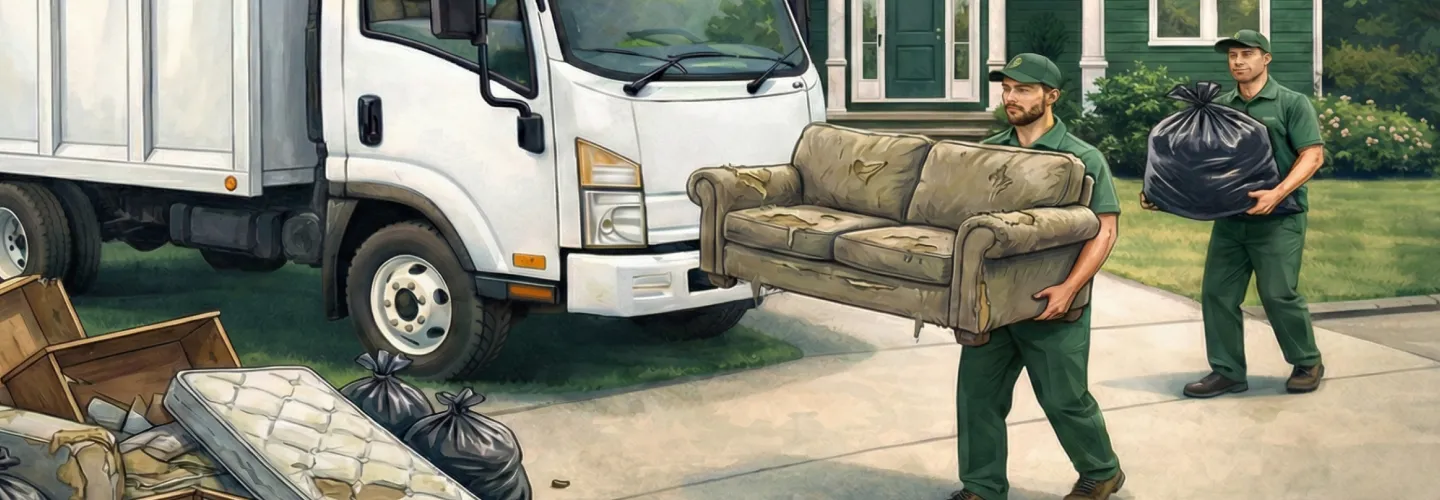
Suwanee Furniture Removal Services
Choose our furniture removal service for hassle-free pickups, eco-friendly disposal, and a team dedicated to making your space clutter-free quickly and affordably.
Get a Free QuoteOur Suwanee Junk Removal Services
Furniture Removal in Suwanee, GA – Local Service Guide
Furniture removal in Suwanee, GA, is often driven by seasonal cleanouts, home upgrades, or life events like moving or estate transitions. In neighborhoods such as Olde Atlanta Club and Suwanee Station, residents frequently schedule pickups for furniture, mattresses, and appliances during spring cleaning or after major storms. Local disposal options include donation centers, recycling facilities, and municipal drop-off events, but access and weather—especially during rainy summers—can impact logistics. For residential spaces like garages, basements, or yards, Suwanee’s tree coverage and occasional flooding in areas near Sims Lake Park may require more frequent cleanouts and careful planning around city trash schedules.
Commercial clients in Suwanee’s Town Center and Peachtree Industrial corridor often need discreet, timely removal for offices, restaurants, and retail spaces, with larger volumes and strict operational windows. Specialty projects—such as estate cleanouts, hoarding situations, or construction debris—demand advance coordination and compliance with local property guidelines. For details on local rules and resources, visit the Suwanee Public Works Department.
Key Considerations for Furniture Removal in Suwanee
- Timing pickups around city events, weather, and neighborhood schedules
- Checking for required permits or special disposal rules
- Choosing the right disposal channel: donate, recycle, or landfill
- Ensuring access for large items in tight driveways or flood-prone areas
- Estimating volume and coordinating for multi-category or specialty items
Benefits of Furniture Removal in Suwanee
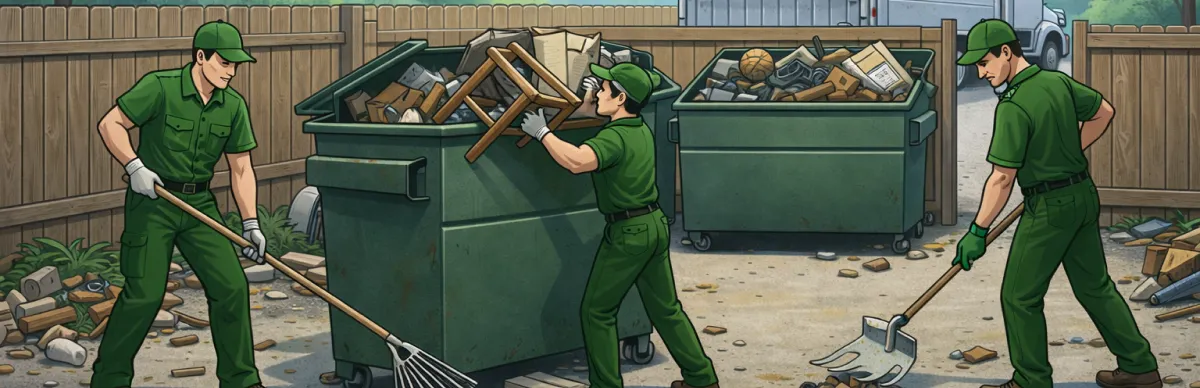
Fast and Reliable Service
Eco-Friendly Disposal
Experienced Removal Team
Affordable Pricing Options
Convenient Scheduling
Safe and Damage-Free Removal
Coordinating Bulk Furniture Pickup with Suwanee's Public Works Department and Gwinnett County Services
Suwanee is located within Gwinnett County, and residential solid waste collection—including bulk furniture pickup—is managed through Gwinnett County's contracted haulers rather than directly by the City of Suwanee. Residents must coordinate with their assigned waste hauler to schedule oversized furniture removal. Key considerations include:
- Scheduling requirements: Contact your designated hauler at least 48 hours in advance to arrange bulk furniture pickup at the curb
- Item preparation: Furniture must be disassembled when possible and placed at the curbside collection point, not blocking sidewalks or rights-of-way
- Prohibited curbside items: Upholstered furniture contaminated with mold, bodily fluids, or pest infestations may be refused and require specialized disposal
- Code compliance: Furniture left at the curb outside of scheduled collection windows may trigger violations through Suwanee Code Enforcement
The Suwanee Public Works Department oversees rights-of-way and can address questions about curbside placement regulations and street access for removal vehicles.
Suwanee Public Works Department
330 Town Center Avenue, Suwanee, GA 30024
Phone: (770) 945-8996
Official Website: Suwanee Public Works Department
Georgia's Solid Waste Management Act and Furniture Disposal Compliance Requirements
All furniture disposal activities in Suwanee must comply with the Georgia Comprehensive Solid Waste Management Act (O.C.G.A. § 12-8-20) administered by the Georgia Environmental Protection Division (GA EPD). This legislation establishes the regulatory framework governing how discarded furniture and household items are transported, processed, and disposed of across the state. Important compliance points include:
- Transporter requirements: Commercial furniture removal operators hauling waste in Georgia must comply with GA EPD solid waste handling rules, including proper vehicle registration and manifesting
- Illegal dumping penalties: Disposing of furniture in unauthorized locations—roadsides, vacant lots, or waterways—carries fines and potential criminal charges under Georgia law
- Landfill acceptance: Standard household furniture (wood, metal, fabric) is accepted at permitted municipal solid waste landfills; however, items containing hazardous components require separate handling
- Stormwater protection: Furniture staged outdoors during removal must not obstruct drainage infrastructure; the Suwanee Stormwater Management program enforces pollution prevention measures
Residents and haulers should verify that all disposal destinations hold valid GA EPD solid waste handling permits.
Furniture Donation and Reuse Programs Serving Suwanee Residents
Before disposing of furniture in a landfill, Suwanee residents should consider donation and reuse options that extend item life and support landfill diversion goals. Gwinnett County and the greater metro Atlanta area offer several furniture donation resources:
- Habitat for Humanity ReStore: Accepts gently used furniture including couches, tables, dressers, and shelving units; items must be in functional, clean condition with no structural damage, stains, or pest contamination
- Goodwill of North Georgia: Operates donation centers throughout Gwinnett County accepting household furniture; large items may require drop-off rather than curbside pickup
- The Salvation Army: Offers scheduled furniture pickup for qualifying donations in the Suwanee area; call ahead to confirm item eligibility and scheduling availability
- Online reuse platforms: Freecycle, Buy Nothing groups, and community boards allow direct furniture transfer to local recipients
Donating reusable furniture reduces the volume of material entering Gwinnett County landfills and aligns with Georgia's waste reduction objectives outlined by the Georgia Environmental Protection Division.
Suwanee Economic & Community Development Department
330 Town Center Avenue, Suwanee, GA 30024
Phone: (770) 945-8996
Official Website: Suwanee Economic & Community Development
Hazardous Material Considerations When Removing Furniture in Pre-1978 Suwanee Homes
Furniture removal projects that involve renovation or demolition in older Suwanee properties require awareness of potential hazardous materials. Many homes built before 1978 may contain lead-based paint on built-in furniture, shelving, and cabinetry. Key safety and regulatory requirements include:
- Lead paint: The EPA Renovation, Repair, and Painting Rule requires certified contractors when disturbing lead-based paint in pre-1978 residences; built-in bookcases, window seats, and cabinetry may contain lead paint layers
- Asbestos: Older upholstered furniture, insulation backing, and certain adhesives may contain asbestos fibers; suspect materials should be tested before disturbance
- Treated wood: Pressure-treated wood furniture and outdoor pieces may contain chromated copper arsenate (CCA), which is prohibited from standard municipal waste burning
- Refrigerant-containing items: Furniture with integrated cooling components requires EPA Section 608 compliant refrigerant recovery before disposal
The Suwanee Building Permits & Inspections office can advise on permit requirements when furniture removal is part of a larger renovation project.
Suwanee Building Permits & Inspections
330 Town Center Avenue, Suwanee, GA 30024
Phone: (770) 945-8996
Official Website: Suwanee Building Permits & Inspections
Suwanee Code Enforcement Standards for Furniture Staging and Property Maintenance
Suwanee maintains property maintenance standards that directly affect how furniture is handled during removal projects. The city's code enforcement division investigates complaints related to abandoned furniture, improper curbside storage, and visual blight. Residents and removal operators should observe the following:
- Curbside timing: Furniture placed at the curb for collection must not remain for extended periods; items set out more than 24 hours before or after scheduled pickup may result in a code violation
- Property appearance: Abandoned or discarded furniture visible from the street—on porches, in yards, or in driveways—may trigger property maintenance complaints and enforcement action
- Right-of-way clearance: Furniture staged for removal must not block sidewalks, fire hydrants, mailboxes, or stormwater drainage structures
- Commercial hauler access: Removal trucks parked on residential streets must comply with Suwanee's parking regulations and noise ordinances; operations are generally expected during standard business hours
Violations can be reported to or questions directed to the city's code enforcement team.
Suwanee Code Enforcement
330 Town Center Avenue, Suwanee, GA 30024
Phone: (770) 945-8996
Official Website: Suwanee Code Enforcement
What Neighborhoods Do We Serve Throughout Suwanee, GA?
- Suwanee Town Center: Mixed-use area with townhomes, condominiums, and retail spaces surrounding Town Center Park. Furniture removal here may require coordination with property management for shared access points, elevator reservations, and loading zone scheduling in higher-density settings.
- Shadowbrook: Established single-family residential community with mature tree canopy and standard suburban driveways. Larger furniture pieces can typically be loaded curbside without access restrictions, though overhanging branches may limit truck clearance on some streets.
- Olde Atlanta Club: Gated community with larger estate-style homes. Removal vehicles must coordinate gate access in advance, and HOA guidelines may govern curbside staging times and approved hauler requirements.
- Suwanee Station: Neighborhood featuring a mix of single-family homes near the Suwanee Creek Greenway trail system. Properties adjacent to greenway corridors should ensure furniture staging does not encroach on public trail access or stormwater easements.
- McGinnis Ferry Road Corridor: Rapidly developing area with newer subdivisions and commercial properties. Construction activity may affect truck routing; residents should confirm street access and any temporary road restrictions before scheduling furniture removal.
- River Ridge: Community with homes situated on varied terrain and sloped lots. Steep driveways and multi-level home layouts may require additional labor for navigating furniture through walkout basements or elevated entryways.