
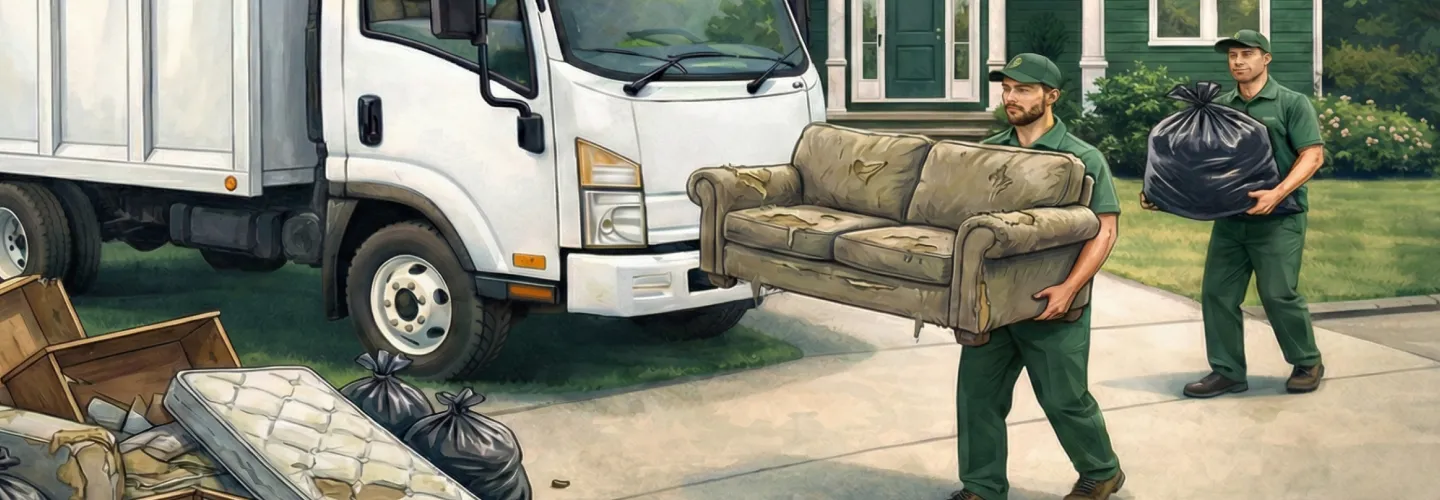
Suwanee Medical Facilities Junk Removal Services
Choose our Medical Facilities Junk Removal for expert handling, strict regulatory compliance, and peace of mind—ensuring your facility stays clean, safe, and focused on patient care.
Get a Free QuoteOur Suwanee Junk Removal Services
Medical Facilities Junk Removal in Suwanee, GA – Local Service Guide
Medical facilities in Suwanee, GA, require specialized junk removal to ensure compliance, safety, and efficiency. Whether you’re clearing out outdated equipment from Northside Hospital Gwinnett, renovating a clinic near Suwanee Town Center, or managing ongoing waste at a dental office in the Olde Towne neighborhood, local expertise is essential. Medical junk removal often involves strict timing—such as after equipment upgrades, regulatory inspections, or seasonal deep cleans. Facilities must coordinate with certified haulers for proper disposal, recycling, or donation of items like exam tables, electronics, and confidential materials. Access logistics, such as loading dock availability and parking, are crucial, especially during busy hours or inclement weather. Suwanee’s local ordinances and healthcare regulations require careful planning and documentation for every removal project. For guidance on local disposal rules and facility maintenance, consult the Suwanee Public Works Department.
Key Considerations for Medical Facilities Junk Removal in Suwanee
- Timing removals to minimize disruption to patient care and operations
- Securing necessary permits and adhering to local disposal regulations
- Using approved disposal channels for medical and electronic waste
- Ensuring clear access for removal teams, especially in high-traffic areas
- Accurately estimating volume and categorizing specialty items
- Coordinating with facility management for secure and compliant handling
Benefits of Medical Facilities Junk Removal in Suwanee
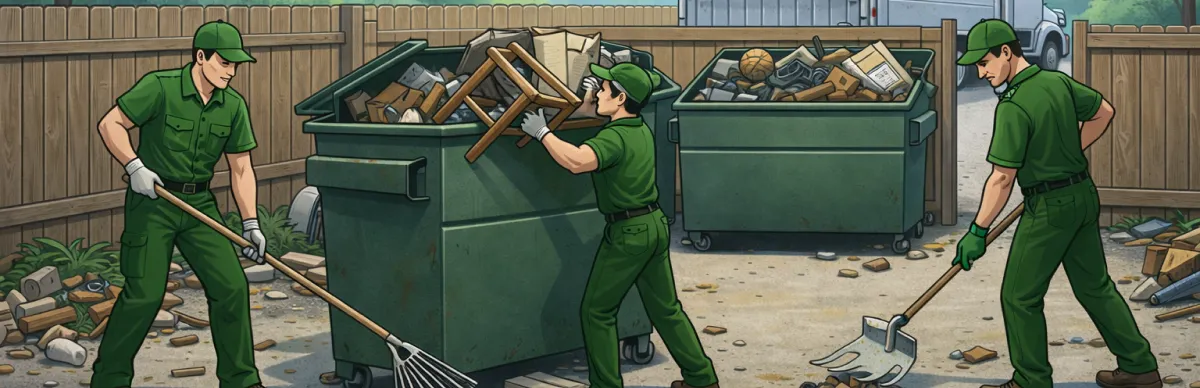
Specialized Medical Waste Handling
HIPAA-Compliant Disposal
Fast and Reliable Service
Eco-Friendly Junk Removal
Minimized Disruption to Operations
Licensed and Insured Professionals
Coordinating Medical Facility Waste Removal with Suwanee's Code Enforcement and Permitting Requirements
Medical facilities in Suwanee undergoing renovations, relocations, or equipment upgrades must coordinate junk removal activities with local permitting and code enforcement authorities. Removing outdated examination tables, waiting room furniture, filing cabinets, and non-hazardous medical equipment requires compliance with municipal property maintenance standards and zoning regulations. Key considerations include:
- Building permits are required for any interior demolition or structural modification associated with facility cleanouts; applications are processed through the city's development services division
- Code enforcement coordination ensures removal activities do not create nuisance conditions, block fire access, or violate property maintenance standards
- Commercial zoning compliance dictates allowable hours for loading, truck access, and debris staging on medical facility properties
- Stormwater protection measures must prevent debris, dust, or runoff from entering storm drains during exterior staging of removed items
Facilities should submit permit applications well in advance of scheduled removal dates to avoid project delays.
Suwanee Building Permits & Inspections
340 Town Center Avenue, Suwanee, GA 30024
Phone: (770) 945-8996
Official Website: Suwanee Building Permits & Inspections
Georgia's Regulated Medical Waste Disposal Laws and Suwanee Facility Compliance
Medical facilities in Suwanee must distinguish between regulated medical waste and general solid waste when planning junk removal projects. Under the Georgia Solid Waste Management Act (O.C.G.A. § 12-8-20), non-hazardous items such as office furniture, cabinetry, and general equipment are classified as solid waste and may be disposed of through standard channels. However, any items contaminated with blood, bodily fluids, or infectious agents fall under regulated medical waste and require specialized handling. Important distinctions include:
- Non-regulated items eligible for standard junk removal: waiting room chairs, desks, shelving units, non-contaminated linens, and general office electronics
- Regulated medical waste requiring licensed haulers: sharps containers, pathological waste, contaminated personal protective equipment, and biohazard materials
- Pharmaceutical waste must be managed separately under Resource Conservation and Recovery Act (RCRA) guidelines and cannot be placed in general junk removal loads
- Documentation requirements mandate that facilities maintain waste determination records and manifests for any regulated materials separated during cleanout projects
The Georgia Environmental Protection Division oversees enforcement of solid waste regulations statewide and provides guidance on proper waste classification for medical facility operators.
Suwanee Medical Equipment Recycling and Electronics Disposal Requirements
Medical facilities generate significant volumes of electronic waste during equipment upgrades, including diagnostic monitors, computer workstations, imaging equipment components, and telecommunications systems. Georgia does not currently enforce a statewide e-waste landfill ban, but responsible disposal practices and data security obligations apply to all Suwanee medical facilities. Recycling and disposal considerations include:
- Patient data security requires hard drive destruction or certified data wiping on all computers, tablets, and networked devices before removal, in compliance with HIPAA regulations
- CRT monitors and older display equipment contain lead and mercury, requiring handling as universal waste rather than standard solid waste
- Gwinnett County operates periodic household hazardous waste collection events that accept electronics from residents; commercial medical facilities must use licensed e-waste recyclers
- Scrap metal recovery from stainless steel examination tables, metal shelving, and equipment frames supports landfill diversion goals
- Battery backup systems (UPS units) contain sealed lead-acid batteries that must be recycled through authorized battery recyclers
Suwanee Public Works Department
340 Town Center Avenue, Suwanee, GA 30024
Phone: (770) 945-8996
Official Website: Suwanee Public Works Department
OSHA Safety Standards and Hazardous Material Handling for Suwanee Medical Facility Cleanouts
Junk removal from medical facilities in Suwanee presents unique occupational safety challenges that differ substantially from residential or standard commercial cleanouts. Workers must be trained to identify and safely handle materials that may pose biological, chemical, or physical hazards. Critical safety requirements include:
- OSHA Bloodborne Pathogens Standard (29 CFR 1910.1030) applies when workers may encounter items contaminated with blood or other potentially infectious materials during facility cleanouts
- Personal protective equipment (PPE) including puncture-resistant gloves, eye protection, and respiratory protection must be provided based on hazard assessment
- Asbestos-containing materials may be present in older Suwanee medical buildings constructed before 1980, particularly in floor tiles, pipe insulation, and ceiling materials; a licensed asbestos survey is required before demolition or renovation per EPA regulations
- Lead-safe work practices under the EPA Renovation, Repair, and Painting Rule apply to pre-1978 structures
- Heavy equipment removal of items such as dental chairs, autoclaves, and imaging equipment requires proper rigging, lifting equipment, and floor load assessment
Suwanee Code Enforcement
340 Town Center Avenue, Suwanee, GA 30024
Phone: (770) 945-8996
Official Website: Suwanee Code Enforcement
Protecting Suwanee's Stormwater Systems During Medical Facility Junk Removal Operations
Medical facility junk removal projects that involve exterior staging, loading, or debris handling must comply with Suwanee's stormwater management regulations. The city actively enforces pollution prevention measures to protect local waterways and the Chattahoochee River watershed. Removal contractors and facility managers should observe the following requirements:
- Debris containment is required during loading operations to prevent materials from entering storm drains, curb inlets, or drainage swales adjacent to medical facility parking areas
- Liquid waste from equipment such as autoclaves, sterilizers, or water-cooled systems must be properly drained and disposed of before removal; discharge into storm drains is prohibited
- Dust and particulate control measures are necessary when removing construction debris, drywall, or insulation materials from renovation-related cleanouts
- Spill prevention protocols must be in place for any equipment containing hydraulic fluids, lubricants, or chemical solutions
- Staging areas should be located on impervious surfaces away from storm drain inlets, with temporary barriers if necessary
Suwanee Stormwater Management
340 Town Center Avenue, Suwanee, GA 30024
Phone: (770) 945-8996
Official Website: Suwanee Stormwater Management
What Neighborhoods Do We Serve Throughout Suwanee, GA?
- Suwanee Town Center: Medical offices and mixed-use commercial spaces in this walkable district require coordination with pedestrian traffic and limited loading zones. Removal scheduling during off-peak hours minimizes disruption to adjacent businesses and public gathering areas.
- Shadowbrook: Residential-adjacent medical practices in this established neighborhood may face narrow street access and HOA notification requirements. Older structures may require asbestos and lead paint assessments before renovation-related cleanouts.
- Suwanee Station: This mixed-use development features medical office suites with shared parking facilities. Service elevator access and building management coordination are typically required for interior equipment removal.
- McGinnis Ferry Road Corridor: A concentration of medical and dental offices along this commercial corridor provides wide parking lot access for removal trucks. High traffic volumes necessitate careful scheduling to avoid peak commute hours.
- Olde Atlanta Club: Medical practices near this community may encounter gated access restrictions and require advance coordination with property management for truck entry and staging permissions.
- George Pierce Park Area: Medical facilities near this area benefit from accessible roadways, though proximity to park land requires heightened stormwater and debris containment measures during removal operations.