
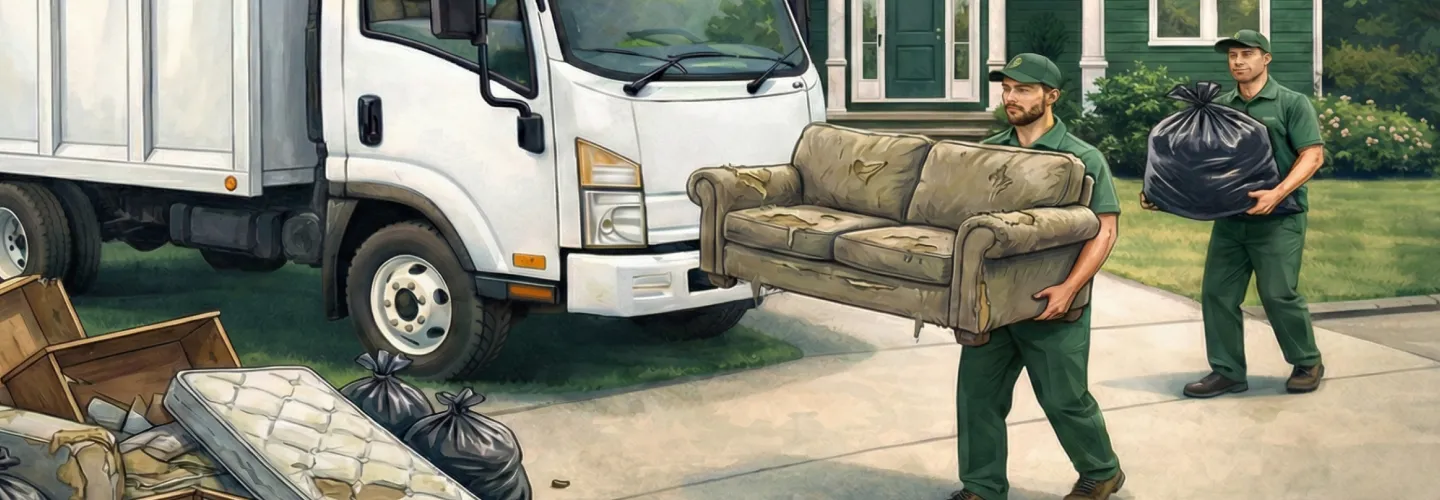
Suwanee Scrap Metal Removal Services
Choose our Scrap Metal Removal for hassle-free, eco-friendly service that saves you time and ensures your unwanted metal is recycled responsibly.
Get a Free QuoteOur Suwanee Junk Removal Services
Scrap Metal Removal in Suwanee, GA – Local Service Guide
Scrap metal removal in Suwanee, GA, is essential for keeping homes and businesses clutter-free and environmentally responsible. In neighborhoods like Olde Towne and Suwanee Station, residents often need removal services during spring cleanouts, appliance upgrades, or after storms. Typical residential items include old grills, washers, and metal furniture, which can be recycled or donated if in good condition. For garages and basements, seasonal cleanouts are common, especially after heavy rains or when preparing for renovations. Commercial properties in areas like Suwanee Gateway and Town Center frequently require bulk scrap metal removal during office remodels, restaurant equipment upgrades, or construction projects, where timing and discretion are key. Specialty services, such as for estate cleanouts or construction debris, demand careful planning and coordination, especially for larger volumes or unique property layouts. For guidance on local disposal rules and recycling options, visit the Suwanee Public Works Department.
Key Considerations for Scrap Metal Removal in Suwanee
- Seasonal timing: spring cleanouts, post-storm debris, or renovations
- Access and logistics: narrow driveways, gated communities, weather impacts
- Proper disposal channels: recycling centers, donation options, landfill restrictions
- Volume and category: single items vs. bulk loads, residential vs. commercial
- Permits and local regulations: check city guidelines for large-scale removals
- Coordination: scheduling with property managers or HOAs for multi-unit pickups
Benefits of Scrap Metal Removal in Suwanee
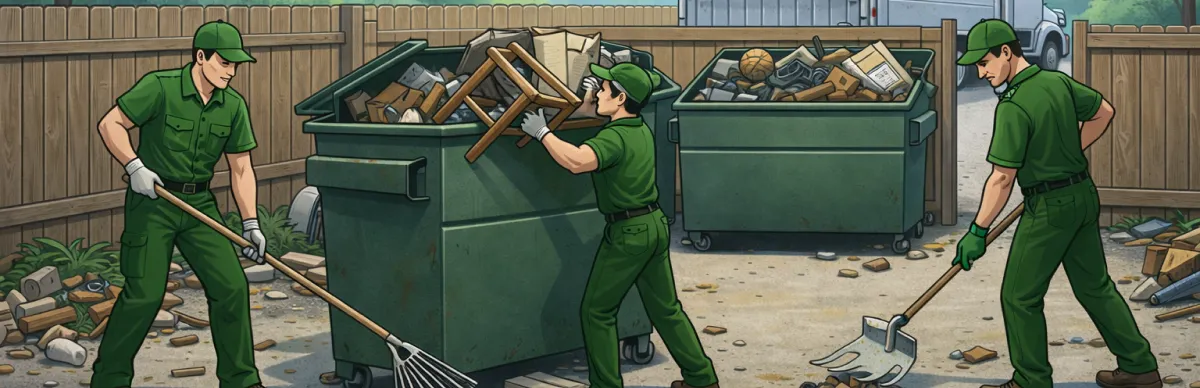
Eco-Friendly Disposal
Fast and Reliable Service
Competitive Pricing
Licensed and Insured Team
Convenient Scheduling
Safe Removal Practices
Coordinating Scrap Metal Removal with Suwanee's Public Works and Solid Waste Services
Suwanee residents and property owners generating scrap metal from home renovations, appliance replacements, or property cleanouts must coordinate disposal through appropriate municipal and county channels. The City of Suwanee falls within Gwinnett County's solid waste management framework, meaning most residential waste collection—including bulk metal items—is administered at the county level. Suwanee's Public Works Department oversees rights-of-way, stormwater infrastructure, and public facility maintenance, and can direct residents to proper disposal resources for metal debris.
- Ferrous metals (steel, iron, cast iron) and non-ferrous metals (copper, aluminum, brass) require separate handling at most recycling facilities
- Scrap metal placed curbside outside of scheduled collection may result in code enforcement violations
- Large quantities of metal from renovation or demolition projects may require hauler coordination through Gwinnett County Solid Waste Management
- Residents should confirm accepted materials and preparation requirements before transporting scrap to any facility
Suwanee Public Works Department
340 Town Center Avenue, Suwanee, GA 30024
Phone: (770) 945-8996
Official Website: Suwanee Public Works Department
Georgia's Solid Waste Management Act and Scrap Metal Disposal Compliance
All scrap metal removal activities in Suwanee must comply with the Georgia Comprehensive Solid Waste Management Act (O.C.G.A. § 12-8-20 et seq.), which establishes statewide standards for waste handling, transportation, and disposal. The Georgia Environmental Protection Division (GA EPD) enforces these regulations and oversees permitting for solid waste facilities, including scrap metal recycling yards and transfer stations operating within Gwinnett County.
- Scrap metal haulers transporting materials commercially must maintain proper state and local business licensing
- Hazardous components found in scrap metal—such as mercury switches in older appliances, lead solder, or PCB-containing capacitors—must be removed and disposed of separately under Georgia hazardous waste rules
- Refrigerant-containing appliances (air conditioners, refrigerators) require certified refrigerant recovery per EPA Section 608 regulations before the metal shell can be scrapped
- Illegal dumping of scrap metal carries penalties under Georgia law, including fines and potential criminal charges
- Scrap yards and recycling processors must hold valid solid waste handling permits issued by GA EPD
Residents should verify that any scrap metal removal service they engage holds appropriate licensing and disposes of materials at permitted facilities.
Suwanee Code Enforcement Standards for Scrap Metal Accumulation on Properties
The City of Suwanee enforces property maintenance standards that directly affect how scrap metal may be stored, accumulated, or staged for removal on residential and commercial properties. Suwanee Code Enforcement investigates complaints related to outdoor storage of junk, debris, and metal materials that may violate municipal ordinances or create neighborhood nuisance conditions.
- Scrap metal, old appliances, and metal debris may not be stored visibly in front yards or in violation of property maintenance codes
- Accumulation of metal materials that attracts pests, creates safety hazards, or degrades neighborhood aesthetics may trigger a code violation notice
- Property owners typically receive a compliance deadline to remove materials or face escalating fines
- Renovation and demolition projects generating significant scrap metal may require a building permit; contact Suwanee Building Permits & Inspections before beginning work
- HOA-governed communities in Suwanee may impose additional restrictions on outdoor metal storage and removal vehicle access
Suwanee Code Enforcement
340 Town Center Avenue, Suwanee, GA 30024
Phone: (770) 945-8996
Official Website: Suwanee Code Enforcement
Scrap Metal Sorting, Separation, and Recycling Requirements in Suwanee
Proper sorting and separation of scrap metal materials is essential for maximizing recycling recovery and ensuring compliance with facility acceptance standards. Recycling processors serving the Suwanee area typically require metals to be separated by type before drop-off or pickup, as mixed loads may be rejected or subject to reduced value.
- Ferrous metals (steel beams, iron pipes, automotive parts) should be separated from non-ferrous metals (copper wiring, aluminum siding, brass fixtures)
- Appliances containing refrigerants, oils, or mercury switches must have hazardous components professionally removed before the metal body is eligible for scrap recycling
- Electronics and e-waste containing circuit boards, batteries, or CRT glass must not be mixed with general scrap metal; Georgia does not currently have a statewide e-waste landfill ban, but responsible recycling is strongly encouraged through EPA Region 4 guidance
- Construction metals (rebar, flashing, ductwork, structural steel) from demolition projects should be kept separate from household scrap
- Remove all non-metal attachments (wood, plastic, rubber, insulation) to the extent practicable before transporting to a recycling facility
Stormwater Protection and Environmental Safety During Scrap Metal Removal in Suwanee
Scrap metal removal activities—particularly those involving automotive parts, industrial equipment, or large-scale demolition debris—carry environmental risks that Suwanee actively regulates through its Stormwater Management program. Metal materials may contain oils, lubricants, rust particulates, and chemical residues that can contaminate stormwater runoff if improperly handled or staged outdoors.
- Scrap metal staging areas on properties must not be located near storm drains, creeks, or drainage swales
- Fluid-containing items (engines, transmissions, hydraulic equipment) must be drained of all oils and fluids before transport; fluids must be collected and disposed of as hazardous waste
- Vehicles used for scrap metal hauling should employ drip pans and containment measures to prevent fluid leaks onto roadways and driveways
- Property owners conducting large-scale metal removal during construction or renovation may need to implement erosion and sediment controls per Suwanee's stormwater ordinance
- Improper disposal of metal-related contaminants into the stormwater system may result in violations and fines enforced through the city's stormwater compliance program
Suwanee Stormwater Management
340 Town Center Avenue, Suwanee, GA 30024
Phone: (770) 945-8996
Official Website: Suwanee Stormwater Management
What Neighborhoods Do We Serve Throughout Suwanee, GA?
- Suwanee Town Center: Mixed-use district with commercial storefronts and residential units near Town Center Park. Scrap metal from tenant improvements and restaurant equipment turnover is common; coordination with property management and adherence to city noise ordinances during removal is essential.
- Shadowbrook: Established single-family residential community where aging HVAC systems, water heaters, and metal fencing generate periodic scrap metal needs. Wide residential streets accommodate standard removal vehicles without access restrictions.
- Olde Atlanta Club: Golf course community with larger estate-style homes. Renovation projects frequently produce structural steel, copper plumbing, and aluminum guttering. HOA approval is typically required before staging scrap metal or scheduling removal vehicles.
- McGinnis Ferry Road Corridor: Commercial and light-industrial properties along this major corridor generate significant volumes of metal shelving, equipment, and signage. Business licensing and commercial waste hauler requirements apply for recurring removal services.
- Suwanee Station: Newer townhome and single-family development with limited driveway staging space. Narrow interior streets may require advance coordination for larger removal trucks, and community covenants restrict visible outdoor metal storage.
- Lake Briarwood: Mature residential neighborhood with homes dating to the 1980s and 1990s. Pre-renovation scrap metal from roof replacements, deck demolitions, and plumbing upgrades is frequently encountered; properties near the lake require heightened environmental precautions to protect water quality.