
Suwanee Shed Removal Services
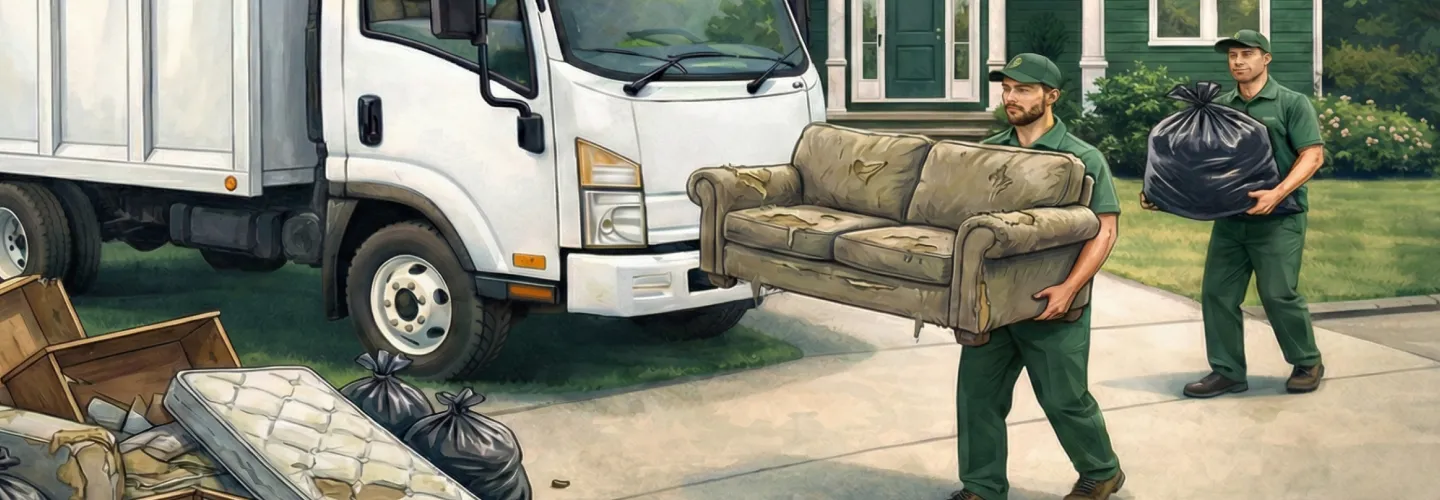
Choose our shed removal experts for safe, efficient, and eco-friendly service—saving you time, effort, and giving you back valuable space without the stress.
Get a Free QuoteOur Suwanee Junk Removal Services
Shed Removal in Suwanee, GA – Local Service Guide
Shed removal in Suwanee, GA is often prompted by home upgrades, storm damage, or the need to reclaim yard space. In neighborhoods like Olde Atlanta Club and Suwanee Station, residents typically schedule shed removal during spring cleanouts or after severe weather. Many sheds contain mixed materials—wood, metal, and sometimes hazardous items—so proper disposal is essential. Options include recycling metal components, donating usable materials, or arranging for responsible disposal. Access can be a challenge in backyards with limited entry or during rainy seasons, so planning around weather and property layout is key. For larger or older sheds, permits may be required, and coordination with local services ensures compliance with city guidelines. For more information on local regulations and resources, visit the Suwanee Public Works Department.
Key Considerations for Shed Removal in Suwanee
- Timing: Best scheduled in spring or after storms
- Permits: Check city requirements for demolition
- Disposal Channels: Recycle, donate, or arrange for proper waste removal
- Access: Consider backyard entry and weather conditions
- Volume: Assess shed size and material type
- Coordination: Work with local professionals for safe, compliant removal
Benefits of Shed Removal in Suwanee
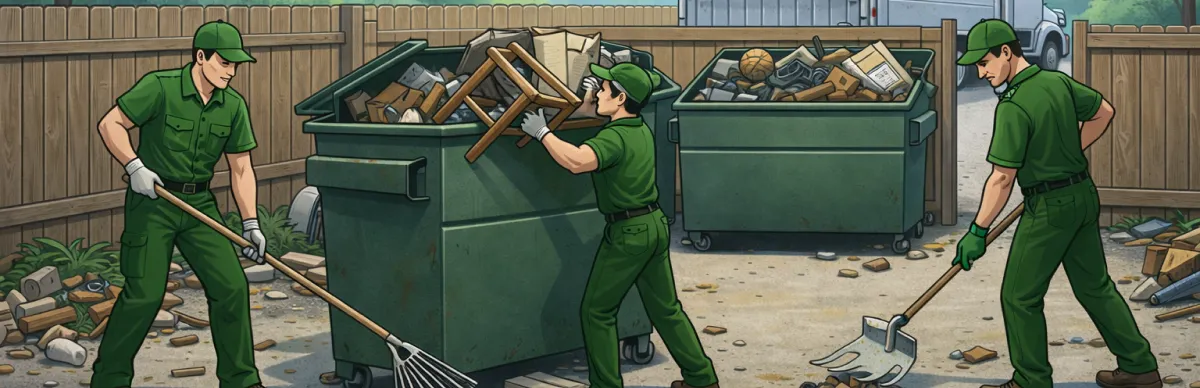
Fast Shed Removal Services
Eco-Friendly Disposal Solutions
Licensed and Insured Team
Transparent Upfront Pricing
Flexible Scheduling Options
Comprehensive Site Cleanup
Coordinating Shed Removal Permits and Inspections with Suwanee's Building Department
Shed removal in Suwanee may require a demolition permit depending on the structure's size, foundation type, and proximity to property lines. The City of Suwanee's Building Permits and Inspections division oversees demolition activities and enforces compliance with local building codes. Before beginning any shed teardown, residents should confirm whether a permit is required by reviewing the following considerations:
- Structures with permanent foundations (concrete slabs, footings) typically require a demolition permit application
- Sheds with electrical wiring or plumbing connections must have utilities properly disconnected by licensed professionals before removal
- Setback and zoning compliance should be verified through Suwanee Planning Services & Zoning to confirm no additional land-use restrictions apply
- HOA-governed properties may require written approval from the homeowners association prior to demolition
- Inspection scheduling may be necessary to confirm safe disconnection of utilities and proper site restoration
Suwanee Building Permits & Inspections
330 Town Center Avenue, Suwanee, GA 30024
Phone: (770) 945-8996
Official Website: Suwanee Building Permits & Inspections
Residents should submit permit applications well in advance of their planned removal date to allow adequate processing time.
Sorting and Separating Shed Demolition Materials for Proper Disposal in Suwanee
Shed removal generates a variety of materials that must be sorted and handled according to Georgia waste management regulations. The Georgia Environmental Protection Division (GA EPD) oversees solid waste management standards statewide, and Gwinnett County—where Suwanee is located—enforces local disposal requirements at its transfer and recycling facilities. Proper material separation is essential for regulatory compliance and landfill diversion. Common shed materials include:
- Untreated lumber and plywood: May be accepted at construction and demolition (C&D) debris recycling facilities; must be free of paint containing lead
- Metal roofing, hinges, and fasteners: Scrap metal is recyclable and accepted at most metal recycling centers in the Gwinnett County area
- Asphalt shingles: Some C&D facilities accept shingles for recycling into road paving material; confirm acceptance before hauling
- Concrete and masonry foundations: Classified as clean fill or inert debris; must be separated from mixed waste for proper disposal
- Treated or pressure-treated lumber: Contains chemical preservatives (such as chromated copper arsenate) and may be subject to special handling requirements; verify disposal options with the county
Mixing prohibited materials with general construction debris can result in load rejection at disposal facilities and potential code enforcement action.
Hazardous Material Identification and Safe Handling During Suwanee Shed Demolition
Older sheds in Suwanee may contain hazardous materials that require careful identification and specialized handling before demolition proceeds. Structures built before 1978 may have lead-based paint on interior or exterior surfaces, which is regulated under the EPA Renovation, Repair, and Painting Rule. Additional hazardous concerns include:
- Lead-based paint: Disturbing painted surfaces on pre-1978 structures requires lead-safe work practices; contractors must hold EPA RRP certification
- Asbestos-containing materials: Older roofing shingles, siding, and insulation may contain asbestos; a licensed inspector should assess suspect materials before demolition
- Pesticide residues: Sheds used for garden chemical storage may have contaminated shelving or flooring requiring special cleanup
- Propane tanks and fuel containers: Must be emptied and removed separately; prohibited from landfill disposal
- Old paint cans, solvents, and chemicals: Classified as household hazardous waste and must be disposed of through Gwinnett County's Household Hazardous Waste collection events
Suwanee Code Enforcement
330 Town Center Avenue, Suwanee, GA 30024
Phone: (770) 945-8996
Official Website: Suwanee Code Enforcement
Failure to properly handle hazardous materials can result in environmental violations enforced by EPA Region 4 and state agencies.
Stormwater Protection and Environmental Compliance for Shed Removal Sites in Suwanee
Shed demolition sites in Suwanee must comply with the city's stormwater management regulations to prevent sediment runoff, debris migration, and contamination of local waterways. The Suwanee Stormwater Management program enforces erosion and sediment control measures that apply to ground-disturbing activities, including foundation removal and site grading after shed demolition. Key environmental compliance requirements include:
- Erosion control measures: Silt fencing or erosion control blankets should be installed around exposed soil areas, particularly on sloped properties
- Debris containment: All demolition materials must be contained on-site and prevented from entering storm drains, ditches, or neighboring properties
- Foundation excavation: Removing concrete foundations may expose bare soil that requires stabilization with seed, mulch, or sod within a reasonable timeframe
- Wash-out prevention: Equipment and tools should not be cleaned in areas where runoff could reach storm drains
- Tree and vegetation protection: The Georgia Tree Council provides guidance on protecting mature trees near demolition zones from root damage and soil compaction
Suwanee Stormwater Management
330 Town Center Avenue, Suwanee, GA 30024
Phone: (770) 945-8996
Official Website: Suwanee Stormwater Management
Violations of stormwater regulations may result in code enforcement action and fines assessed by the city.
Recycling and Salvage Opportunities for Shed Materials in the Suwanee Area
Maximizing material recovery during shed removal supports Georgia's waste reduction goals and reduces the volume of debris sent to landfills. Suwanee residents and contractors should evaluate salvageable components before demolition begins. Reusable and recyclable materials commonly found in shed structures include:
- Doors, windows, and hardware: Functional components may be donated to organizations such as Habitat for Humanity ReStore locations in the greater Gwinnett County area
- Dimensional lumber: Clean, unpainted wood in good condition can be repurposed for other projects or donated
- Metal components: Aluminum siding, steel roofing panels, and copper wiring are accepted at scrap metal recycling facilities throughout metro Atlanta
- Concrete and brick: Clean masonry materials may qualify as inert fill at designated C&D recycling facilities
- Usable shelving and storage units: Interior fixtures in serviceable condition can be donated rather than discarded
Suwanee Public Works Department
330 Town Center Avenue, Suwanee, GA 30024
Phone: (770) 945-8996
Official Website: Suwanee Public Works Department
Residents should contact Gwinnett County Solid Waste Management for current transfer station hours, accepted materials, and disposal fee schedules before transporting demolition debris.
What Neighborhoods Do We Serve Throughout Suwanee, GA?
- Suwanee Town Center: Properties near the mixed-use downtown core may face limited staging space for demolition debris. Proximity to public areas requires careful scheduling and debris containment to avoid disruption to pedestrian traffic and nearby businesses.
- Shadowbrook: This established single-family neighborhood features mature tree canopy and fenced backyards that may restrict equipment access for shed removal. Narrow side-yard clearances require advance measurement and planning.
- Olde Atlanta Club: Larger estate-style lots in this golf course community often have accessory structures with permanent foundations. HOA architectural review approval is typically required before shed demolition can proceed.
- Suwanee Station: Newer construction with planned community guidelines and active HOA oversight. Residents should obtain written HOA approval and confirm any restrictions on demolition activity hours or debris staging locations.
- McGinnis Ferry Road Corridor: Properties along this corridor include a mix of older residential lots and transitional parcels. Sheds on these properties may predate current zoning standards, requiring verification with Suwanee Planning Services before removal.
- Settles Bridge: Homes adjacent to the Chattahoochee River corridor are subject to additional environmental buffers. Shed removal near waterways requires heightened stormwater protection and erosion control measures to comply with city and state regulations.