
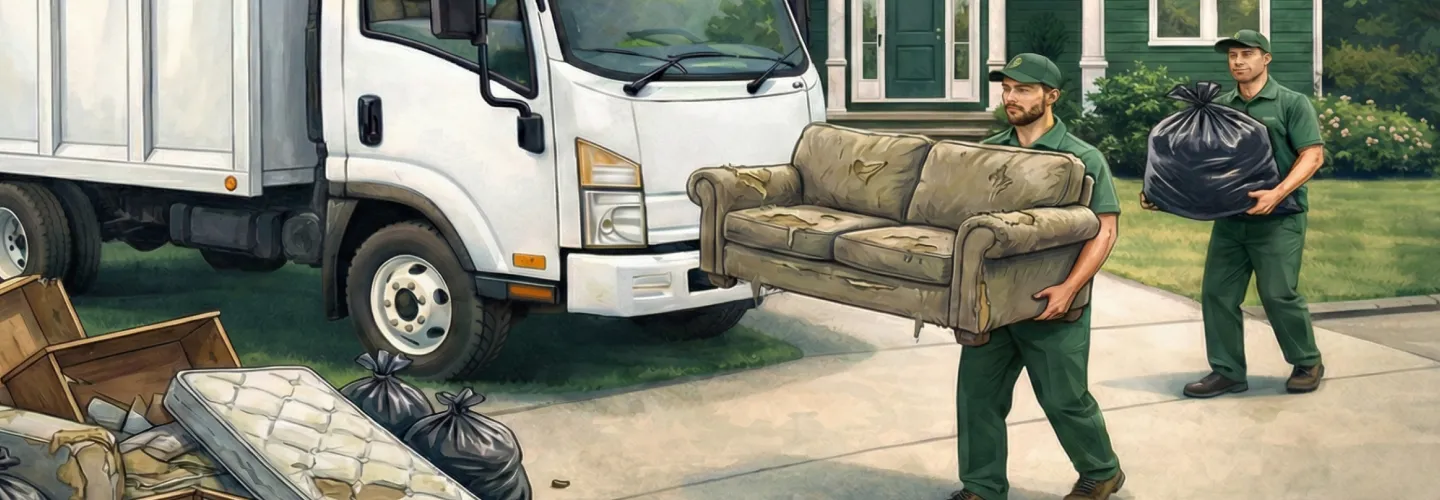
Suwanee Retail Stores Junk Removal Services
Choose our Retail Stores Junk Removal for fast, reliable, and eco-friendly service that keeps your business looking its best—so you can focus on your customers, not the clutter.
Get a Free QuoteOur Suwanee Junk Removal Services
Retail Stores Junk Removal in Suwanee, GA – Local Service Guide
Retail stores in Suwanee, GA, face unique challenges when it comes to junk removal, from seasonal inventory changes to store renovations and ongoing compliance with local regulations. In busy commercial hubs like Suwanee Town Center and the Suwanee Gateway area, timely removal of outdated fixtures, shelving, and packaging waste is essential to maintain a safe, appealing retail environment. Local junk removal services help retailers manage everything from large-scale cleanouts after store remodels to routine disposal of cardboard, electronics, and display units. Coordination with property managers and adherence to city guidelines ensures efficient, responsible disposal—whether items are recycled, donated, or properly discarded. For stores in neighborhoods like Shadowbrook or along Peachtree Industrial Boulevard, access and parking logistics can impact scheduling, especially during peak shopping seasons or community events. Suwanee’s local resources, such as Suwanee Public Works Department, provide guidance on disposal channels and compliance, helping retailers stay up to code while minimizing disruption to daily operations.
Key Considerations for Retail Stores Junk Removal in Suwanee
- Timing removals around inventory cycles and local events
- Securing necessary permits for large-scale disposals
- Utilizing approved disposal and recycling channels
- Planning for access and parking in busy retail corridors
- Estimating volume and coordinating with property management
- Addressing category-specific items like electronics or hazardous materials
Benefits of Retail Stores Junk Removal in Suwanee
Fast and Reliable Service
Eco-Friendly Disposal Solutions
Experienced Junk Removal Team
Flexible Scheduling Options
Comprehensive Cleanout Services
Transparent Upfront Pricing
Coordinating Retail Store Cleanout Waste with Suwanee's Public Works and Gwinnett County Disposal Programs
Retail store junk removal in Suwanee requires coordination with both city and county waste management authorities. Suwanee operates within Gwinnett County, which administers solid waste collection and disposal services for commercial establishments. Retail businesses generating bulk waste from store closures, inventory liquidation, or fixture removal must comply with commercial waste hauling requirements established by the county.
- Commercial waste haulers operating in Suwanee must maintain proper licensing and insurance as required by Gwinnett County regulations
- Bulk retail waste including shelving, display cases, and signage requires separation from standard commercial trash streams
- Scheduling considerations should account for Suwanee's noise ordinance restrictions, which may limit early morning or late evening removal operations
- Right-of-way access for removal trucks parked on public streets requires coordination with the city's Public Works Department
Retail operators should contact the Suwanee Public Works Department before scheduling large-scale removal projects to confirm any municipal access or permitting requirements.
Suwanee Public Works Department
330 Town Center Avenue, Suwanee, GA 30024
Phone: (770) 945-8996
Official Website: Suwanee Public Works Department
Georgia's Solid Waste Management Act and Retail Disposal Compliance Requirements
Retail store junk removal in Suwanee must comply with the Georgia Comprehensive Solid Waste Management Act (O.C.G.A. § 12-8-20) administered by the Georgia Environmental Protection Division. This legislation establishes the regulatory framework governing how commercial waste, including retail store fixtures, packaging materials, and obsolete inventory, must be handled, transported, and disposed of throughout the state.
- Hazardous materials such as fluorescent lighting tubes, cleaning chemicals, and certain electronic displays found in retail environments are prohibited from standard landfill disposal under Georgia regulations
- Manifest documentation may be required when transporting large volumes of commercial waste to permitted disposal facilities
- Appliances containing refrigerants (display coolers, commercial freezers) require certified refrigerant recovery per EPA Section 608 regulations before disposal
- Scrap metal separation from retail fixtures, shelving units, and point-of-sale hardware is encouraged to support Georgia's landfill diversion goals
Georgia Environmental Protection Division
2 Martin Luther King Jr. Drive SE, Suite 1456, Atlanta, GA 30334
Phone: (404) 656-4713
Official Website: Georgia Environmental Protection Division
Suwanee Code Enforcement and Building Permit Requirements for Retail Store Renovation Debris
When retail store junk removal involves renovation, tenant buildout, or demolition of interior fixtures, Suwanee's building permit and code enforcement requirements apply. Retail property owners and tenants must obtain appropriate permits before removing load-bearing structures, electrical systems, or plumbing fixtures during store reconfigurations. The city's Building Permits and Inspections division oversees compliance with local building codes.
- Building permits are required for any structural modifications associated with retail fixture removal, including wall demolition and ceiling grid disassembly
- Pre-1978 retail buildings may contain lead-based paint requiring compliance with the EPA Renovation, Repair, and Painting Rule during demolition activities
- Asbestos surveys should be conducted in older retail spaces before disturbing floor tiles, pipe insulation, or ceiling materials
- Code enforcement inspections may be required following large-scale interior demolition to verify structural integrity and fire code compliance
Suwanee Building Permits & Inspections
330 Town Center Avenue, Suwanee, GA 30024
Phone: (770) 945-8996
Official Website: Suwanee Building Permits & Inspections
Recycling and Material Recovery Options for Suwanee Retail Store Fixtures and Equipment
Retail store cleanouts generate significant volumes of recyclable materials including metal shelving, cardboard displays, electronic equipment, and plastic fixtures. Suwanee businesses should prioritize material recovery and donation to reduce landfill burden and comply with Georgia's waste reduction objectives. Gwinnett County operates recycling drop-off centers that accept separated commercial materials from area businesses.
- Metal fixtures and shelving (steel, aluminum) should be separated for scrap metal recycling; local scrap yards accept commercial quantities
- Electronic point-of-sale systems, monitors, and security equipment must be recycled through certified e-waste processors rather than disposed of in standard waste streams
- Cardboard and packaging materials should be baled or bundled separately for recycling collection
- Usable retail fixtures such as display cases, mannequins, and shelving in good condition may be donated to organizations like Habitat for Humanity ReStore or similar reuse programs in the Gwinnett County area
- Refrigerated display units require certified refrigerant recovery before recycling or disposal
Businesses should maintain documentation of recycling and donation activities for potential tax deduction purposes and regulatory compliance records.
Stormwater Protection and Pollution Prevention During Retail Store Junk Removal in Suwanee
Retail store junk removal operations in Suwanee must comply with the city's stormwater management regulations to prevent pollutants from entering local waterways. Loading and staging areas used during retail cleanouts are subject to pollution prevention requirements, particularly when handling cleaning chemicals, paint, or liquid waste commonly found in retail environments.
- Debris staging areas must be positioned away from storm drains, catch basins, and drainage channels on retail property
- Liquid waste from cleaning products, paint, or chemical spills must be contained and disposed of through proper hazardous waste channels—never poured into storm drains
- Loose lightweight materials such as packing peanuts, foam insulation, and plastic wrap must be secured to prevent wind dispersal into stormwater systems
- Vehicle fluid leaks from removal trucks parked on retail property must be addressed immediately with absorbent materials
- Construction sediment from interior demolition must be swept and contained before it reaches exterior drainage infrastructure
Suwanee Stormwater Management
330 Town Center Avenue, Suwanee, GA 30024
Phone: (770) 945-8996
Official Website: Suwanee Stormwater Management
What Neighborhoods Do We Serve Throughout Suwanee, GA?
- Suwanee Town Center: This mixed-use commercial district features retail storefronts with shared parking areas and pedestrian-heavy zones. Removal trucks must coordinate loading times to avoid peak foot traffic, and access may be limited during community events hosted at Town Center Park.
- Suwanee Gateway: A major commercial corridor along Lawrenceville-Suwanee Road with strip malls and standalone retail buildings. Wide parking lots generally allow straightforward truck access, though coordination with property management is required for multi-tenant complexes.
- McGinnis Ferry Road Corridor: Rapidly developing retail area with newer construction and modern building standards. Large-format retail spaces may generate high volumes of fixture and display waste during tenant turnovers.
- Old Town Suwanee: Smaller retail spaces in older buildings may present narrow doorways and limited staging areas. Pre-renovation asbestos and lead paint assessments may be necessary in structures built before 1978.
- Shadowbrook and Settles Bridge Area: Neighborhood commercial centers serving residential subdivisions with smaller retail footprints. Access roads and parking areas may have HOA-governed restrictions on commercial vehicle hours and staging.
- Peachtree Industrial Boulevard Commercial District: High-traffic retail corridor with big-box stores and shopping centers. Loading dock access is typically available, but scheduling must account for delivery truck traffic and shared loading zone availability.