
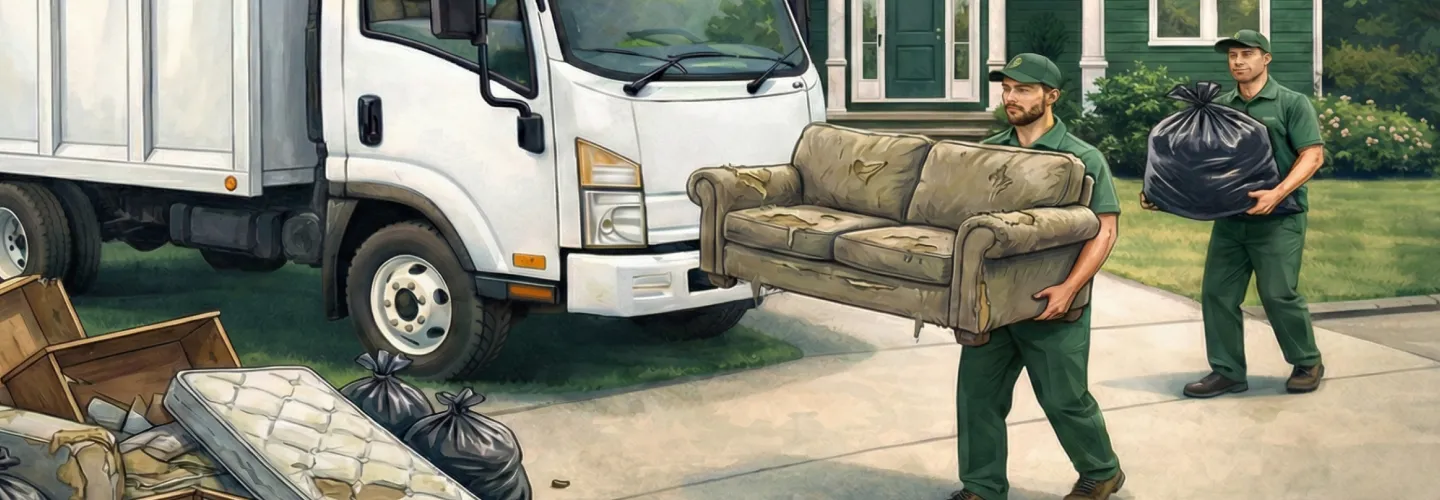
Suwanee Appliance Removal Services
Choose our appliance removal service for hassle-free pickups, eco-friendly disposal, and courteous professionals who respect your time and property.
Get a Free QuoteOur Suwanee Junk Removal Services
Appliance Removal in Suwanee, GA – Local Service Guide
Appliance removal in Suwanee, GA, is a specialized service that addresses the unique needs of local homeowners and businesses. In neighborhoods like Olde Towne and Suwanee Station, residents often require appliance removal during seasonal upgrades, home renovations, or after major life events such as moving or estate transitions. Many opt to donate or recycle working appliances, while larger or non-functional items may require professional hauling due to size and access challenges—especially during rainy seasons or in homes with limited driveway space. Commercial clients in areas like Suwanee Gateway face operational demands for discreet, timely removal of bulk appliances from restaurants, offices, or retail spaces, often coordinating pickups outside business hours. Specialty projects, such as construction debris or estate cleanouts, demand careful planning and compliance with local disposal regulations. For guidance on local rules and responsible disposal, visit the Suwanee Public Works Department.
Key Considerations for Appliance Removal in Suwanee
- Timing removals around seasonal weather and neighborhood access
- Checking for required permits or city guidelines
- Choosing proper disposal or recycling channels
- Navigating tight driveways or multi-story homes
- Coordinating with HOAs or property managers
- Managing volume for large-scale or specialty projects
Benefits of Appliance Removal in Suwanee
Fast and Reliable Service
Eco-Friendly Disposal
Licensed and Insured Team
Upfront Transparent Pricing
Convenient Scheduling Options
Safe Appliance Handling
Coordinating Appliance Removal with Suwanee's Public Works and Gwinnett County Solid Waste Programs
Suwanee residents seeking to dispose of old appliances must coordinate with both city and county services, as Suwanee falls within Gwinnett County's solid waste management jurisdiction. Gwinnett County provides residential solid waste collection services, including bulk item pickup for large appliances such as refrigerators, washing machines, dryers, dishwashers, and water heaters. Residents should be aware of the following requirements when scheduling appliance removal:
- Bulk item pickup must be scheduled in advance through the county's solid waste division; appliances left curbside without prior arrangement may result in code violations
- Freon-containing appliances (refrigerators, freezers, air conditioners) require refrigerant recovery before disposal and cannot be placed at the curb without proper certification of refrigerant removal
- Doors must be removed from refrigerators and freezers before curbside placement to prevent child entrapment hazards
- Water heaters and stoves are generally accepted through bulk collection but must be disconnected from all utility lines by a qualified professional
The Suwanee Public Works Department oversees rights-of-way and can address questions regarding curbside placement on city-maintained streets.
Suwanee Public Works Department
340 Town Center Avenue, Suwanee, GA 30024
Phone: (770) 945-8996
Official Website: Suwanee Public Works Department
Georgia's Solid Waste Management Act and Appliance Disposal Regulations
Georgia state law governs the proper disposal of household appliances through the Georgia Comprehensive Solid Waste Management Act (O.C.G.A. § 12-8-20), which establishes standards for waste handling, landfill operations, and recycling requirements across all municipalities, including Suwanee. The Georgia Environmental Protection Division (GA EPD) enforces these regulations at the state level. Key compliance considerations for appliance removal include:
- Refrigerant recovery is mandated by both federal and state law; appliances containing chlorofluorocarbons (CFCs) or hydrochlorofluorocarbons (HCFCs) must have refrigerants evacuated by an EPA Section 608-certified technician before disposal
- Mercury-containing components found in older appliances (thermostats, switches) must be removed and handled as hazardous waste
- Illegal dumping of appliances carries penalties under Georgia law, including fines and potential criminal charges
- Scrap metal recovery is encouraged; steel, copper, and aluminum from appliances can be diverted from landfills through licensed scrap processors
- PCB-containing capacitors in older appliances manufactured before 1979 require special handling under federal Resource Conservation and Recovery Act (RCRA) guidelines
Georgia Environmental Protection Division
2 Martin Luther King Jr. Drive SE, Suite 1456, Atlanta, GA 30334
Phone: (404) 656-4713
Official Website: Georgia Environmental Protection Division
Suwanee Code Enforcement Standards for Appliance Storage and Removal
The City of Suwanee enforces property maintenance codes that directly affect how residents store and dispose of old appliances. Abandoned or inoperable appliances left on residential properties—whether in yards, driveways, or porches—may constitute code violations subject to enforcement action. The Suwanee Code Enforcement division investigates complaints and ensures compliance with municipal property standards. Residents should observe the following guidelines:
- Appliances awaiting removal should not be stored outdoors for extended periods; visible storage of inoperable equipment may trigger a property maintenance violation
- Doors and lids must be removed from discarded refrigerators, freezers, and chest-style appliances to comply with child safety requirements under Georgia law
- HOA covenants in many Suwanee subdivisions impose additional restrictions on outdoor storage of appliances and may require advance notification before scheduling curbside pickup
- Commercial properties must maintain enclosed waste areas; appliances staged for removal at businesses require screening from public view per Suwanee Planning Services & Zoning requirements
Suwanee Code Enforcement
340 Town Center Avenue, Suwanee, GA 30024
Phone: (770) 945-8996
Official Website: Suwanee Code Enforcement
Appliance Recycling and Scrap Metal Recovery Options Near Suwanee
Recycling old appliances rather than sending them to landfills supports Gwinnett County's waste diversion goals and recovers valuable materials. Major household appliances—often referred to as "white goods"—contain significant quantities of recyclable steel, copper wiring, aluminum, and other metals. Suwanee residents have several pathways for responsible appliance recycling:
- Scrap metal facilities in the greater Gwinnett County area accept appliances such as washers, dryers, stoves, and water heaters; some facilities offer compensation based on current scrap metal market prices
- Refrigerant-containing units (refrigerators, freezers, window air conditioners, dehumidifiers) must have refrigerants professionally recovered before being accepted at scrap yards, per EPA Section 608 regulations
- Donation programs through organizations such as Habitat for Humanity ReStore accept working appliances in good condition, diverting functional items from the waste stream
- Utility company rebate programs occasionally offer incentives for recycling older, energy-inefficient appliances such as refrigerators and freezers
- Gwinnett County operates recycling and disposal facilities that may accept certain appliance types; residents should verify accepted materials and any applicable fees before transporting items
Proper documentation of refrigerant recovery should be retained, as certified removal is a federal requirement enforceable by the EPA Region 4 office, which oversees environmental compliance in Georgia.
Safe Handling and Hazardous Material Considerations for Suwanee Appliance Removal
Appliance removal presents specific safety and environmental hazards that require careful attention, particularly in older Suwanee homes built before 1980. Professional handling standards and regulatory compliance protect both workers and the surrounding environment. Key safety considerations include:
- Refrigerant gases (CFCs, HCFCs, HFCs) are ozone-depleting substances regulated under the Clean Air Act; venting refrigerants is a federal violation carrying fines up to $44,539 per day per violation
- Compressor oils in refrigerators and air conditioners may contain hazardous substances and must be properly drained and disposed of at approved facilities
- Lead-containing solder in older appliance wiring and components requires awareness of the EPA Renovation, Repair, and Painting Rule when removal involves disturbance of pre-1978 building materials
- Heavy lifting hazards are significant; standard refrigerators weigh 200–350 pounds, and older cast-iron stoves may exceed 400 pounds, requiring proper equipment and team lifting protocols
- Electrical disconnection must be performed safely; gas appliances require professional disconnection from gas lines before removal
- Stormwater protection is relevant when appliances are staged outdoors; the Suwanee Stormwater Management program requires that oils, fluids, and debris from appliances not enter storm drains or waterways
Suwanee Stormwater Management
340 Town Center Avenue, Suwanee, GA 30024
Phone: (770) 945-8996
Official Website: Suwanee Stormwater Management
What Neighborhoods Do We Serve Throughout Suwanee, GA?
- Suwanee Town Center: Mixed-use area with townhomes and condominiums near shops and restaurants. Appliance removal may require coordination with property management for shared access points, service elevators, and designated loading areas along Town Center Avenue.
- Shadowbrook: Established single-family subdivision with mature landscaping and standard two-car driveways. Older homes in this community may contain original appliances requiring refrigerant recovery before disposal; curbside staging is generally straightforward.
- Olde Atlanta Club: Gated community with larger estate-style homes featuring multiple kitchen and laundry appliances. Gate access coordination and HOA notification are typically required before scheduling removal services on private community roads.
- McGinnis Ferry Road Corridor: Rapidly developing area with newer construction and commercial properties. Appliance removal from recently built homes often involves energy-efficient units eligible for utility recycling programs; wide streets accommodate standard removal vehicles.
- Suwanee Station: Neighborhood of single-family homes with accessible driveways and moderate lot sizes. Proximity to major roadways facilitates efficient appliance pickup and transport to recycling facilities.
- Settles Bridge and River Trail Areas: Communities near the Chattahoochee River corridor with environmental sensitivity considerations. Appliance staging must prevent fluid runoff into nearby waterways, consistent with Suwanee's stormwater management requirements.