
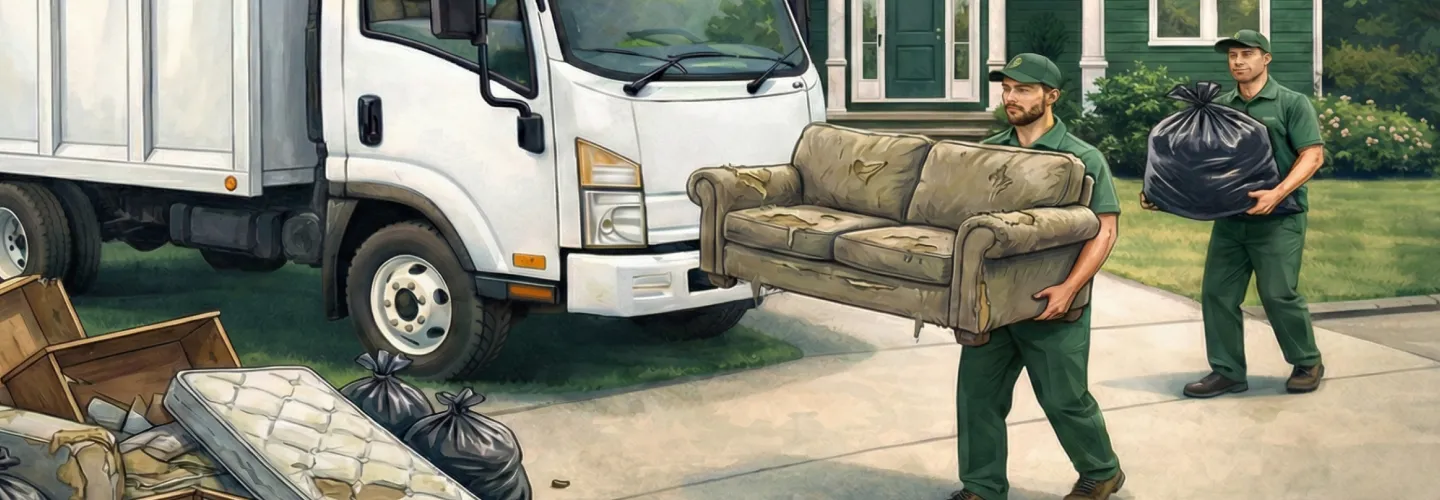
Suwanee Piano Removal Services
Choose our piano removal experts for safe, reliable, and hassle-free service—protecting your home and instrument while saving you time and effort.
Get a Free QuoteOur Suwanee Junk Removal Services
Piano Removal in Suwanee, GA – Local Service Guide
Piano removal in Suwanee, GA, is a specialized service often needed during home renovations, estate transitions, or when replacing older instruments. In neighborhoods like Edinburgh and Olde Atlanta Club, residents may require removal due to downsizing, moving, or updating interiors. Pianos are heavy, bulky, and require careful handling to avoid property damage, especially in homes with narrow hallways or staircases. Local disposal options include donation to schools or community centers, recycling for parts, or responsible disposal at approved facilities. Weather can impact scheduling, particularly during Suwanee’s humid summers or rainy seasons, so planning ahead is key. Access considerations—such as driveway space and proximity to entryways—are important for efficient removal. For more on local disposal rules and resources, visit the Suwanee Public Works Department.
Key Considerations for Piano Removal in Suwanee
- Timing: Coordinate around Suwanee’s peak moving seasons and weather patterns
- Permits: Check if large item pickups require advance notice or city approval
- Disposal Channels: Explore donation, recycling, or city-approved disposal
- Access: Ensure clear pathways in homes like those in Riverbrooke or Ruby Forest
- Volume: Plan for additional bulky items if decluttering
- Coordination: Schedule with professionals familiar with Suwanee’s neighborhoods
Benefits of Piano Removal in Suwanee
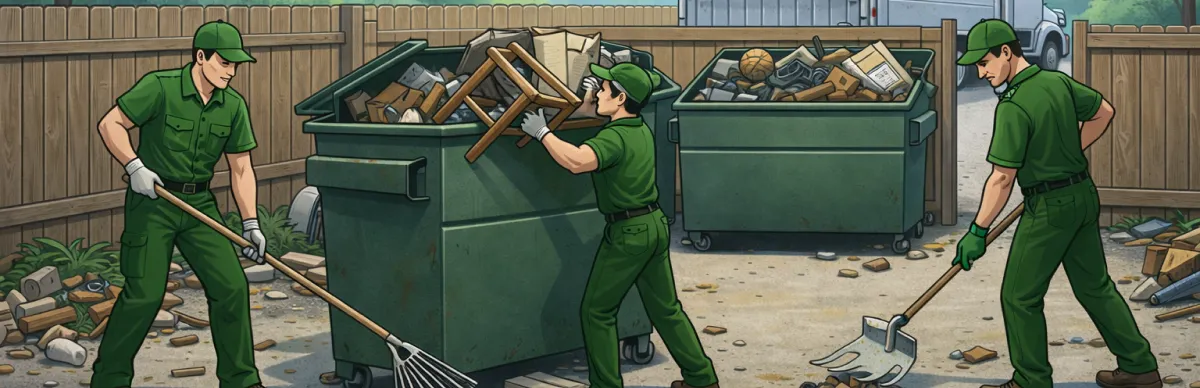
Safe Piano Handling
Experienced Removal Team
Timely Service Scheduling
Affordable Piano Removal Rates
Proper Disposal and Recycling
Fully Insured Services
Coordinating Piano Disposal with Suwanee's Public Works and Gwinnett County Solid Waste Programs
Piano removal in Suwanee requires coordination with both city and county waste management services. Suwanee is located within Gwinnett County, and residential solid waste collection is managed through county-contracted haulers rather than a standalone municipal pickup program. Pianos are classified as bulky items due to their size and weight—upright pianos typically weigh 300–500 pounds, while grand pianos can exceed 1,000 pounds. Residents should be aware of the following disposal considerations:
- Bulky item pickup must be arranged through your contracted waste hauler; pianos are generally not accepted during standard curbside collection
- Self-hauling to a Gwinnett County transfer station may require a truck or trailer rated for the piano's weight
- Advance scheduling is typically required for oversized item collection, often with 48–72 hours' notice
- Curbside placement of pianos without a scheduled pickup may result in code enforcement action
Suwanee Public Works Department
340 Town Center Avenue, Suwanee, GA 30024
Phone: (770) 945-8996
Official Website: Suwanee Public Works Department
The Suwanee Code Enforcement division monitors property maintenance standards and may issue violations for improperly discarded items left on curbs or in rights-of-way without authorization.
Georgia's Solid Waste Management Act and Piano Material Disposal Requirements
Piano disposal in Suwanee must comply with the Georgia Comprehensive Solid Waste Management Act (O.C.G.A. § 12-8-20 et seq.), which establishes statewide standards for solid waste handling, transportation, and disposal. The Georgia Environmental Protection Division (GA EPD) oversees enforcement and permitting for landfills and transfer stations throughout the state. Pianos contain a complex mixture of materials that require careful separation:
- Wood components (case, soundboard, pin block) — accepted at most construction and demolition debris facilities
- Metal components (cast iron plate, steel strings, tuning pins) — recyclable as scrap metal at licensed facilities
- Felt and fabric (hammers, dampers, key coverings) — generally disposed as municipal solid waste
- Ivory or plastic keytops — older pianos with ivory keys may require special handling under federal wildlife trade regulations
- Lacquers and finishes — some older piano finishes may contain lead-based paint, requiring compliance with the EPA Renovation, Repair, and Painting Rule for pre-1978 instruments
Haulers transporting piano debris must use vehicles and facilities permitted by GA EPD. Illegal dumping of piano components carries penalties under Georgia law, including fines and potential criminal charges.
Safety Standards and Heavy-Lifting Protocols for Piano Removal in Suwanee Homes
Piano removal presents significant safety hazards due to the extreme weight, awkward dimensions, and fragile structural components of these instruments. OSHA general duty clause requirements (Section 5(a)(1)) apply to all professional removal crews operating in Suwanee. Proper safety protocols must be observed to protect both workers and property:
- Weight assessment — verify the piano type before removal; grand pianos (700–1,200 lbs) require different equipment than spinets (300–400 lbs)
- Stairwell navigation — standard residential staircases in Suwanee homes are typically 36 inches wide; piano boards, straps, and skid plates are essential for multi-story moves
- Floor and wall protection — hardwood floors, door frames, and banisters must be padded or covered to prevent damage during transit
- Team size — a minimum of three trained personnel is recommended for upright pianos; grand pianos may require four or more
- Equipment requirements — heavy-duty piano dollies rated for 1,500+ lbs, ratchet straps, moving blankets, and ramp systems for exterior steps
Suwanee Building Permits & Inspections
340 Town Center Avenue, Suwanee, GA 30024
Phone: (770) 945-8996
Official Website: Suwanee Building Permits & Inspections
If piano removal is part of a larger renovation or demolition project, building permits may be required through Suwanee's Building Department.
Recycling and Material Recovery Options for Pianos in the Suwanee Area
Before disposing of a piano at a landfill, Suwanee residents should explore recycling and donation alternatives that support Gwinnett County's waste diversion goals. Pianos contain substantial quantities of recoverable materials, and several options exist for extending the useful life of these instruments or reclaiming their components:
- Donation to local organizations — churches, schools, community centers, and nonprofit music programs in the Gwinnett County area may accept functional pianos; a tax-deductible receipt is typically available
- Scrap metal recovery — the cast iron harp plate alone can weigh 150–450 pounds and is accepted at licensed scrap metal facilities; steel strings and hardware add additional recoverable weight
- Wood reclamation — high-quality hardwoods (spruce, maple, mahogany) from piano cases and soundboards may be salvageable for woodworking or artistic reuse
- Piano technician assessment — a registered piano technician can evaluate whether an instrument is repairable or suitable for parts harvesting before disposal is pursued
The Suwanee Stormwater Management program reminds residents that piano components should never be left outdoors where rain exposure could cause chemical leaching from finishes, adhesives, or felt treatments into local waterways. All materials awaiting pickup should be stored under cover or in a garage.
Permit and Access Considerations for Piano Removal Trucks in Suwanee
Professional piano removal in Suwanee often requires large box trucks or specialty vehicles that may face access restrictions in certain residential areas. The city's Planning Services & Zoning department administers regulations that may affect removal logistics:
- Right-of-way usage — if a removal truck must park on a public street or block a travel lane during loading, coordination with the city may be required to avoid traffic obstruction violations
- Residential street access — many Suwanee subdivisions feature cul-de-sacs and narrow residential streets; trucks exceeding 26 feet in length may have difficulty with turning radii
- HOA regulations — numerous Suwanee communities are governed by homeowners associations that may restrict commercial vehicle access, require advance notification, or limit operating hours
- Noise ordinances — piano removal activities involving power tools for disassembly should comply with Suwanee's noise regulations; work during early morning or late evening hours may be restricted
- Property damage liability — removal crews should document driveway, lawn, and landscaping conditions before and after the job to address any damage claims
Suwanee Code Enforcement
340 Town Center Avenue, Suwanee, GA 30024
Phone: (770) 945-8996
Official Website: Suwanee Code Enforcement
What Neighborhoods Do We Serve Throughout Suwanee, GA?
- Suwanee Town Center: Mixed-use area with townhomes and condominiums near shops and restaurants. Piano removal here may require navigating narrow stairwells and shared hallways; coordination with property management for elevator access and loading zone scheduling is often necessary.
- Shadowbrook: Established single-family neighborhood with mature tree canopy and winding streets. Larger removal trucks may face overhead clearance challenges from low-hanging branches, and longer driveways require careful maneuvering.
- Olde Atlanta Club: Upscale community with larger estate-style homes that frequently contain grand pianos. Wide driveways and spacious interiors generally allow easier equipment access, though HOA notification is typically required before commercial vehicles enter the neighborhood.
- Suwanee Station: Family-oriented subdivision with a mix of two-story homes. Second-floor piano removal through standard 36-inch staircases is common; floor protection and banister padding are essential.
- McGinnis Ferry Road Corridor: Rapidly developing area with newer construction and commercial properties. Access is generally straightforward, but ongoing construction activity may affect truck routing and parking availability.
- Settles Bridge: Homes near the Chattahoochee River with sloped lots and longer driveways. Grade changes and gravel surfaces may require specialized dollies or additional crew members for safe piano transport from the residence to the removal vehicle.