
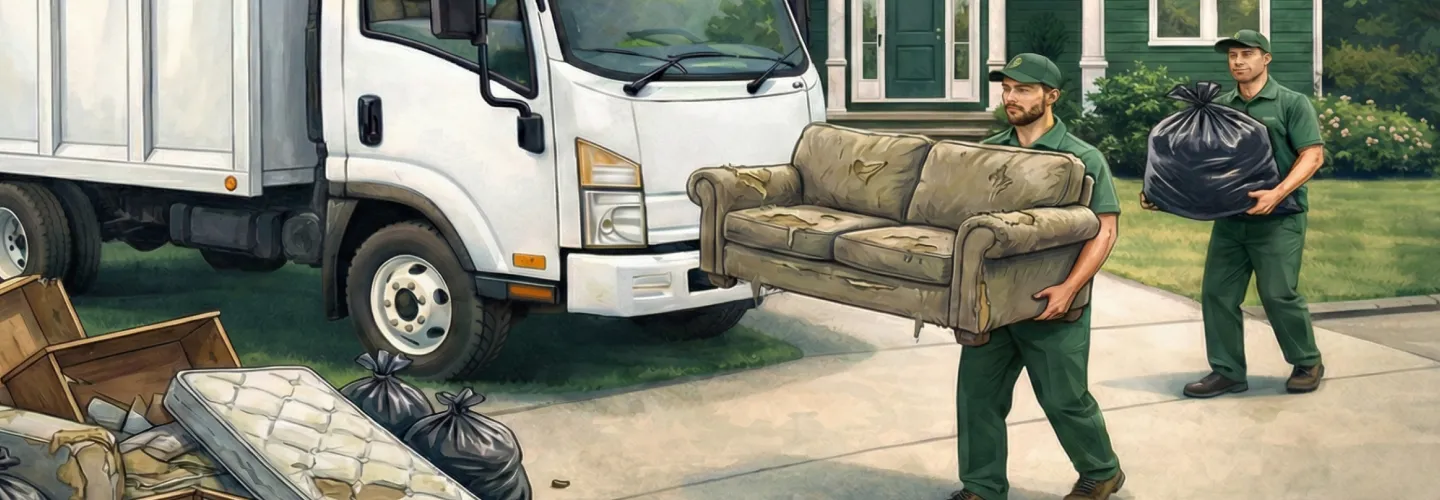
Suwanee Yard Waste Removal Services
Choose our Yard Waste Removal for fast, eco-friendly service that keeps your property spotless and your weekends worry-free.
Get a Free QuoteOur Suwanee Junk Removal Services
Yard Waste Removal in Suwanee, GA – Local Service Guide
Yard waste removal in Suwanee, GA is a year-round necessity for homeowners and businesses, especially in neighborhoods like Olde Atlanta Club and Suwanee Station where mature trees and seasonal storms generate significant debris. Spring and fall cleanups are common triggers, as residents clear leaves, branches, and storm-damaged limbs. For residential items such as old furniture or appliances, replacements and life events like moving often prompt disposal needs. Local options include curbside pickup, recycling centers, and donation for usable items. In areas with heavy tree coverage or near Suwanee Creek Park, frequent yard waste removal helps prevent flooding and maintain curb appeal. Commercial properties in Town Center or along Peachtree Industrial Boulevard require timely, discreet service to manage landscaping debris and maintain operations. Specialty projects—like estate cleanouts or construction debris—demand careful planning and coordination, especially for larger volumes or restricted access. For details on local disposal rules and schedules, visit the Suwanee Public Works Department.
Key Considerations for Yard Waste Removal in Suwanee
- Seasonal timing: peak after storms and during spring/fall cleanups
- Permit requirements for large volumes or commercial projects
- Approved disposal channels: curbside, recycling, donation
- Access challenges in wooded or flood-prone neighborhoods
- Volume and frequency based on property size and tree coverage
- Coordination for specialty items or multi-category cleanouts
Benefits of Yard Waste Removal in Suwanee
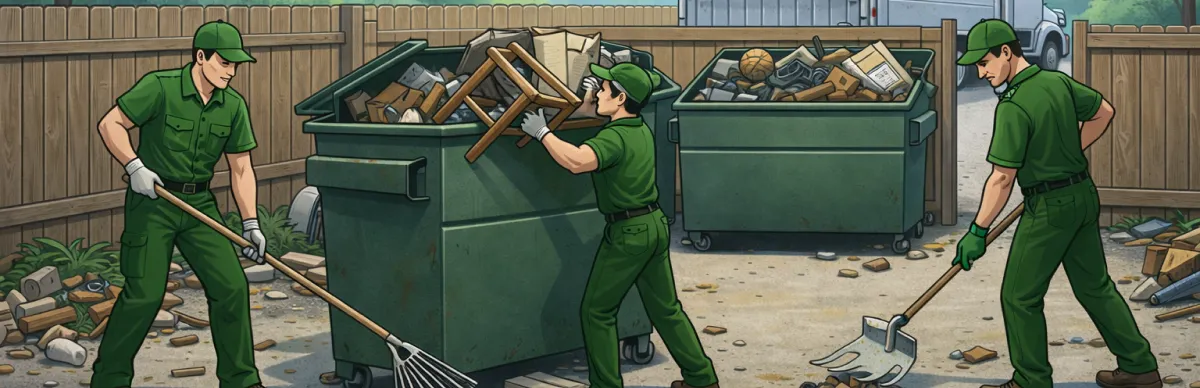
Fast and Reliable Service
Eco-Friendly Disposal
Affordable Pricing Options
Experienced Local Team
Convenient Scheduling
Comprehensive Yard Cleanup
Coordinating Yard Waste Removal with Suwanee's Public Works Department and Gwinnett County Services
Suwanee residents must coordinate yard waste removal through both city and county channels, as Gwinnett County manages curbside solid waste collection for the area. Yard waste—including grass clippings, leaves, shrub trimmings, and small branches—must be separated from regular household trash and placed curbside according to the designated collection schedule. Key preparation requirements include:
- Branches and limbs must be cut to lengths no longer than four feet and bundled with twine or string
- Loose leaves and grass clippings must be placed in biodegradable paper bags or designated yard waste containers—plastic bags are typically prohibited
- Yard waste piles should not block sidewalks, storm drains, or rights-of-way
- Stumps, root balls, and large logs exceeding size or weight limits may require separate hauling arrangements
The Suwanee Public Works Department oversees rights-of-way maintenance and can address questions about placement near city infrastructure.
Suwanee Public Works Department
340 Town Center Avenue, Suwanee, GA 30024
Phone: (770) 945-8996
Official Website: Suwanee Public Works Department
Georgia's Solid Waste Management Act and Yard Debris Disposal Regulations
Georgia's solid waste regulations, administered by the Georgia Environmental Protection Division (GA EPD), establish the framework governing how yard waste must be handled, processed, and disposed of across the state. The Georgia Comprehensive Solid Waste Management Act (O.C.G.A. § 12-8-20 et seq.) sets standards for waste reduction, recycling, and landfill diversion that directly affect yard debris disposal in Suwanee. Residents and haulers should be aware of the following:
- Yard trimmings are banned from municipal solid waste landfills in Georgia, meaning they cannot be mixed with regular garbage for landfill disposal
- Composting facilities must hold valid permits from GA EPD to accept and process yard waste commercially
- Open burning of yard waste within Suwanee city limits is subject to local fire ordinances and Gwinnett County burn ban restrictions—permits may be required during certain seasons
- Illegal dumping of yard debris on vacant lots, roadsides, or waterways carries fines enforced through Suwanee Code Enforcement
Compliance with these regulations protects local waterways and supports Georgia's waste diversion goals.
Suwanee Stormwater Compliance and Proper Yard Waste Handling Near Waterways
Improper yard waste disposal poses significant environmental risks to Suwanee's stormwater infrastructure and local water quality. Decomposing leaves, grass clippings, and organic debris that enter storm drains contribute excess nutrients to streams and tributaries, promoting algal blooms and degrading aquatic habitats. The Suwanee Stormwater Management program enforces pollution prevention measures that apply directly to yard waste handling:
- Never blow or rake leaves, clippings, or debris into storm drains, ditches, or streams
- Maintain vegetative buffers along stream banks—do not clear or dump yard waste within designated stream buffer zones
- Compost on-site when possible to reduce runoff and return nutrients to the soil
- Report illegal dumping of yard waste near waterways to Suwanee Code Enforcement at (770) 945-8996
Suwanee Stormwater Management
340 Town Center Avenue, Suwanee, GA 30024
Phone: (770) 945-8996
Official Website: Suwanee Stormwater Management
Suwanee participates in the National Pollutant Discharge Elimination System (NPDES) Municipal Separate Storm Sewer System (MS4) permit program, which requires the city to actively manage pollutant sources—including organic yard debris—entering its stormwater system.
Sorting, Composting, and Mulching Requirements for Suwanee Yard Waste Materials
Proper sorting and material separation are essential for compliant yard waste removal in Suwanee. Because Georgia prohibits yard trimmings from entering municipal solid waste landfills, all organic landscape debris must be directed to composting facilities, mulching operations, or other approved processing sites. The Georgia Tree Council provides additional guidance on sustainable tree care and wood waste management. Residents and contractors should follow these sorting protocols:
- Clean wood waste (branches, limbs, untreated lumber) may be accepted at permitted mulching facilities—painted, stained, or pressure-treated wood is prohibited and must be disposed of separately
- Leaves and grass clippings should be kept free of trash, plastic, rocks, and other contaminants to qualify for composting
- Invasive plant species (such as kudzu or English ivy) may require special handling to prevent spread—consult Gwinnett County Extension services for guidance
- Soil and sod are generally not classified as yard waste and may be subject to different disposal requirements at transfer stations
- Palm fronds, pine straw, and pine cones are accepted as standard yard waste when properly bagged or bundled
Mixing non-organic materials with yard waste can result in load rejection at composting facilities and potential contamination fees.
Suwanee Code Enforcement Standards for Yard Maintenance and Debris Accumulation
Suwanee's municipal code establishes property maintenance standards that directly affect how long yard waste may remain on a property before removal. Accumulated yard debris—including fallen branches, leaf piles, and overgrown vegetation—can trigger code enforcement action if it creates nuisance conditions or violates neighborhood appearance standards. The Suwanee Code Enforcement division investigates complaints and enforces compliance:
- Overgrown vegetation exceeding height limits established by city ordinance may result in violation notices requiring corrective action within a specified timeframe
- Accumulated debris left curbside outside of scheduled collection windows may be cited as a violation
- Tree removal projects generating large volumes of wood waste may require coordination with Suwanee Planning Services & Zoning if trees are located within protected zones or buffer areas
- HOA-governed communities may impose additional restrictions on yard waste storage, placement timing, and container types beyond city requirements
- Commercial landscaping operations must ensure debris is removed from job sites daily and transported to permitted disposal facilities
Suwanee Code Enforcement
340 Town Center Avenue, Suwanee, GA 30024
Phone: (770) 945-8996
Official Website: Suwanee Code Enforcement
What Neighborhoods Do We Serve Throughout Suwanee, GA?
- Suwanee Town Center: Mixed-use area with townhomes and commercial properties near Town Center Park. Yard waste removal here often involves smaller lots with limited curbside staging space and HOA-regulated placement schedules.
- Shadowbrook: Established single-family neighborhood with mature tree canopy generating significant seasonal leaf and branch debris. Wide residential streets allow straightforward curbside access for yard waste collection vehicles.
- Olde Atlanta Club: Golf course community with large lots and extensive landscaping. Tree trimming and seasonal cleanup projects produce high volumes of yard waste; HOA approval may be required before placing debris curbside.
- McGinnis Ferry Road Corridor: Rapidly developing area with newer subdivisions and ongoing construction. Yard waste from new landscaping installations and lot clearing requires separation from construction debris per Georgia landfill regulations.
- Suwanee Station: Neighborhood featuring single-family homes with moderate lot sizes and established plantings. Proximity to Suwanee Creek requires careful attention to stormwater buffer zones when staging yard waste for removal.
- River Ridge: Community adjacent to the Chattahoochee River corridor with wooded lots prone to storm debris accumulation. Large branch and limb removal may require bundling to meet curbside collection size requirements.